← Education
ONDAS Academy of Modern Pedagogy and Higher Education

Transforming Teaching, Learning, Research & Innovation

A professional academic programme built on evidence-based pedagogy, the ONDAS Framework, and a commitment to excellence in higher education.
30 ECTS Credits 6 Core Modules 750 Hours Workload Digital & In-Person
ONDAS Academy of Modern Pedagogy and Higher Education (OAMPHE)
About OAMPHE

Where Pedagogy Meets Purpose

The ONDAS Academy of Modern Pedagogy and Higher Education (OAMPHE) is dedicated to advancing teaching excellence, educational innovation, academic development, quality assurance, and higher education transformation.

Through evidence-based pedagogy, digital learning, research-informed practice, and the ONDAS Framework, OAMPHE equips educators and academic leaders with the competencies they need to drive meaningful change in their institutions and communities.

The programme is designed for Master's degree holders, PhD candidates, academic staff, researchers, university instructors, educational leaders, and professionals seeking advanced pedagogical competencies for contemporary higher education environments.

🎯 Our Vision

To become an internationally recognized academy for teaching excellence, pedagogical innovation, academic development, and quality-driven transformation in higher education.

🚀 Our Mission

To empower educators with the knowledge, competencies, skills, and innovative pedagogical practices necessary to design meaningful learning experiences, foster student success, promote educational quality, and contribute to the future transformation of universities and society.

Programme overview

Professional Course in Modern Pedagogy and Higher Education

The programme comprises six integrated core modules, each valued at 5 ECTS credits (30 ECTS in total) and delivered through eight structured sessions. Teaching is conducted twice weekly, enabling completion of each module within a one-month period.

The programme is supported by the official textbook, Pedagogy and Modern Higher Education: Transforming Teaching, Learning, Research, Innovation, and Quality Assurance, which provides the theoretical and practical foundation for all modules.

30ECTS Credits, Total Programme
6Integrated Core Modules
750Total Hours Workload
Weekly Sessions per Module
Programme learning outcomes

Upon completion, participants will be able to:

Explain major theories, philosophies, and foundations of modern pedagogy.

Apply student-centered teaching approaches within higher education.

Design innovative learning environments integrating digital technologies and AI.

Develop competency-based curricula and measurable learning outcomes.

Construct authentic assessment strategies and quality evaluation systems.

Integrate educational research into teaching practice.

Promote innovation, leadership, entrepreneurship, and institutional development.

Apply quality assurance principles to improve academic effectiveness.

Demonstrate reflective teaching and lifelong professional development.

Create transformative educational solutions using the ONDAS Framework.

Curriculum

Six Core Modules

Each module runs for one month, delivered over eight sessions twice weekly, and carries 5 ECTS credits. Click any card to expand the learning outcomes.

Module 01 · 5 ECTS

Information and Communication Technology in Higher Education

Lead: Assist. Prof. Dr. Daniel José Franco

Digital transformation, ICT ecosystems, e-learning, blended learning, AI in education, smart universities, and technology-enhanced learning environments.

Learning Outcomes

  • Explain the role of digital transformation in contemporary higher education.
  • Apply ICT tools and technologies to support teaching and learning.
  • Design technology-enhanced learning activities promoting engagement.
  • Integrate artificial intelligence tools ethically within educational contexts.
  • Evaluate digital learning environments for quality and accessibility.
  • Develop innovative digital teaching strategies supporting lifelong learning.

Output: Digital Teaching and Learning Portfolio

Module 02 · 5 ECTS

Student-Centered Learning and Educational Psychology

Lead: Mr. Hassan Khasro Akram

Learning theories, educational psychology, learner motivation, emotional intelligence, inclusion, diversity, and transformative learning environments.

Learning Outcomes

  • Explain major learning theories and their implications for university teaching.
  • Analyze psychological factors influencing student learning.
  • Design student-centered learning environments encouraging active participation.
  • Apply inclusive teaching practices addressing learner diversity.
  • Facilitate critical thinking, collaboration, creativity, and reflective learning.
  • Promote learner autonomy, motivation, and lifelong learning competencies.

Output: Student-Centered Teaching Framework and Reflection Portfolio

Module 03 · 5 ECTS

Innovative Pedagogy and Assessment Strategies

Lead: Assoc. Prof. Dr. Omar Khasro Akram

Active learning, problem-based learning, gamification, authentic assessment, formative and summative evaluation, feedback systems, and assessment blueprinting.

Learning Outcomes

  • Apply innovative pedagogical approaches to enhance student learning.
  • Design active learning experiences fostering engagement and participation.
  • Develop authentic assessment strategies aligned with learning outcomes.
  • Utilize formative and summative assessment methods effectively.
  • Construct assessment blueprints and feedback systems to improve learning.
  • Evaluate teaching and assessment effectiveness using evidence-based approaches.

Output: Teaching Innovation and Assessment Portfolio

Module 04 · 5 ECTS

Competency-Based Education and Curriculum Design

Lead: Assoc. Prof. Dr. Omar Khasro Akram

Competency frameworks, curriculum mapping, constructive alignment, ECTS allocation, accreditation standards, and outcome-based educational planning.

Learning Outcomes

  • Explain the principles and foundations of competency-based education.
  • Formulate measurable learning outcomes aligned with program objectives.
  • Design competency-based curricula supporting learner development.
  • Apply constructive alignment principles within curriculum planning.
  • Develop curriculum maps and module specifications using international standards.
  • Evaluate curriculum quality using accreditation and quality assurance frameworks.

Output: Competency-Based Curriculum and Module Specification

Module 05 · 5 ECTS

Research, Academic Development, and Scholarly Publishing

Lead: Assoc. Prof. Dr. Omar Khasro Akram

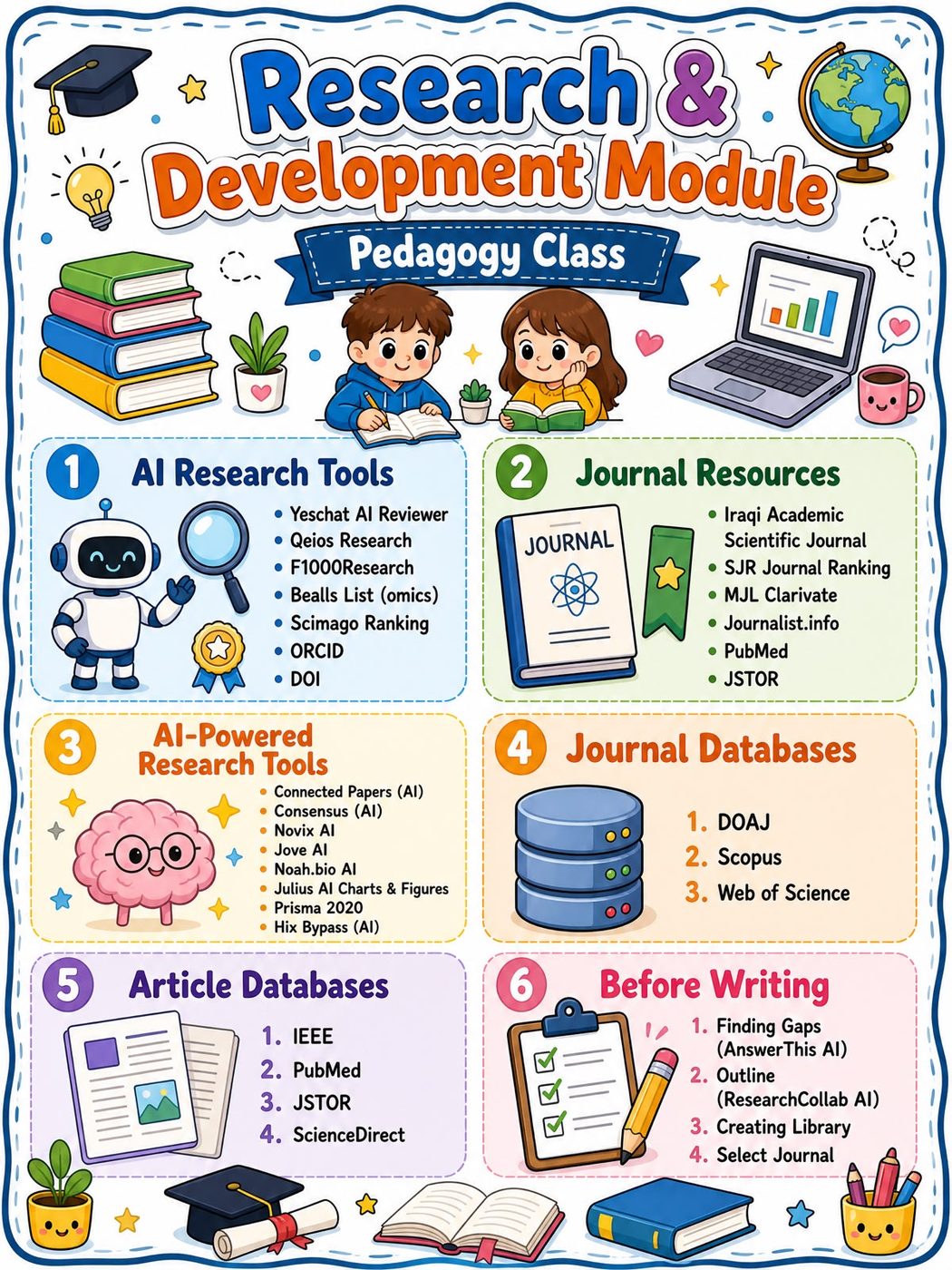
Research methodologies, academic writing, peer review, academic integrity, citation management, journal selection, research metrics, and scholarly communication.

Learning Outcomes

  • Explain key concepts and processes in academic research and scholarly publishing.
  • Apply ethical principles and academic integrity standards in research practice.
  • Critically evaluate scholarly literature and research evidence.
  • Develop academic manuscripts suitable for scholarly publication.
  • Utilize academic databases, citation tools, and research technologies effectively.
  • Integrate research findings into teaching and professional practice.

Output: Publication-Ready Academic Manuscript

Module 06 · 5 ECTS

Edupreneurship, Leadership, Innovation, and Quality Assurance

Lead: Assoc. Prof. Dr. Omar Khasro Akram & Assist. Prof. Dr. Daniel José Franco

Educational entrepreneurship, leadership theories, quality management systems, accreditation processes, strategic planning, the ONDAS Framework, and change management.

Learning Outcomes

  • Explain major theories and principles of leadership, innovation, and quality assurance.
  • Apply entrepreneurial thinking to educational and institutional development.
  • Design quality enhancement and continuous improvement strategies.
  • Evaluate institutional performance using evidence-based quality indicators.
  • Develop innovative solutions using the ONDAS Framework.
  • Demonstrate leadership competencies promoting excellence and sustainability.

Output: Institutional Innovation and Quality Enhancement Project

Programme structure

Workload Distribution

30 ECTS × 25 hours = 750 hours total workload, distributed across contact learning, guided study, independent research, practical activities, and assessment.

ActivityHours
Contact Learning60
Guided Learning240
Independent Study300
Practical Teaching Activities100
Assessment and Portfolio Development50
Total Workload750
ModuleTitleECTS
1ICT in Higher Education5
2Student-Centered Learning5
3Innovative Pedagogy & Assessment5
4Competency-Based Education5
5Research & Scholarly Publishing5
6Edupreneurship & Leadership5
Total30
Pedagogical methods

Delivery & Learning Activities

Each module employs a rich variety of evidence-based pedagogical delivery approaches, ensuring that learning is active, collaborative, reflective, and anchored in real-world practice.

🎤

Interactive Lectures

Engaging content delivery with active dialogue and real-time Q&A across all modules.

🔨

Workshops

Hands-on design sessions for curricula, assessments, and pedagogical frameworks.

🧩

Problem-Based Learning

Real-world educational challenges solved through structured inquiry and group analysis.

📁

Project-Based Learning

Authentic projects delivering tangible outputs including portfolios and manuscripts.

🔄

Flipped Learning

Pre-class content engagement enabling richer in-session application and discussion.

🤝

Peer Learning

Peer review, peer assessment, and collaborative knowledge-building activities.

🎓

Micro-Teaching

Participants practice and receive feedback on their own teaching in a safe environment.

💡

Case Studies

Analysis of real higher education scenarios to ground theory in institutional practice.

🔬

Research Seminars

Focused sessions on research methodology, academic writing, and publication strategy.

📝

Reflective Practice

Structured journaling and portfolio development to consolidate professional growth.

💻

Technology Demonstrations

Live exploration of digital tools, LMS platforms, and AI-enhanced educational technologies.

🏆

Innovation Labs

Creative problem-solving sessions applying the ONDAS Framework to institutional challenges.

🗣️

Group Discussions

Structured dialogue exploring complex pedagogical and institutional themes.

🖼️

Poster Presentations

Visual communication of findings and frameworks to peers.

👥

Group Projects

Team-based development of institutional improvement initiatives.

✍️

Academic Writing Workshops

Guided manuscript development for scholarly publication.

📚

Publication Development Clinics

One-on-one and small-group guidance on journal submission and peer review.

🤖

AI Integration Activities

Ethical and responsible use of AI tools within educational design contexts.

Academic resources

Educational Posters

A curated collection of 26 academic infographic posters covering the core themes of the OAMPHE programme. Click any poster to view it in full size.
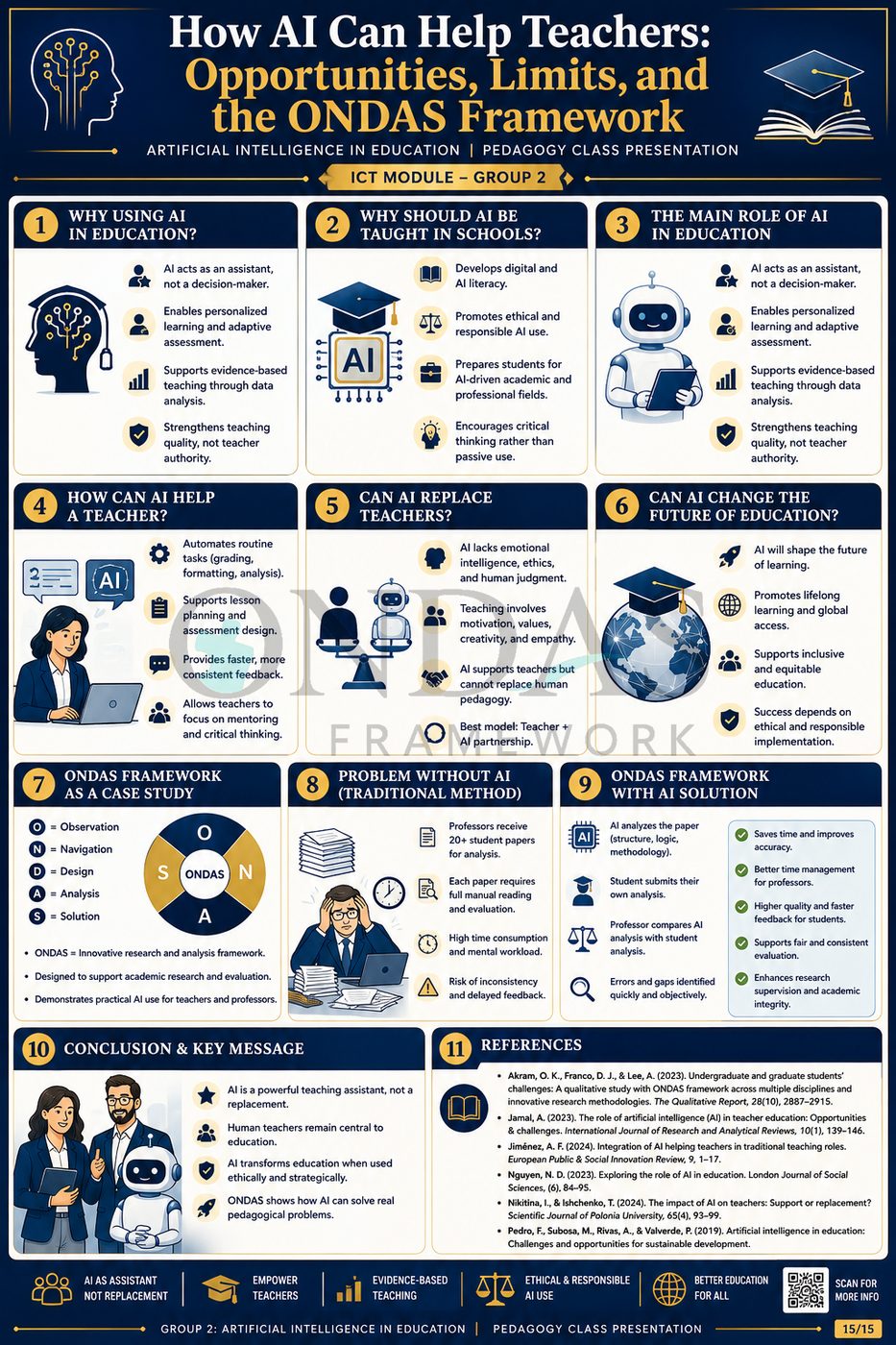
How AI Can Help Teachers: Opportunities & Limits
🔍 View full size

Module 1

How AI Can Help Teachers: Opportunities & Limits

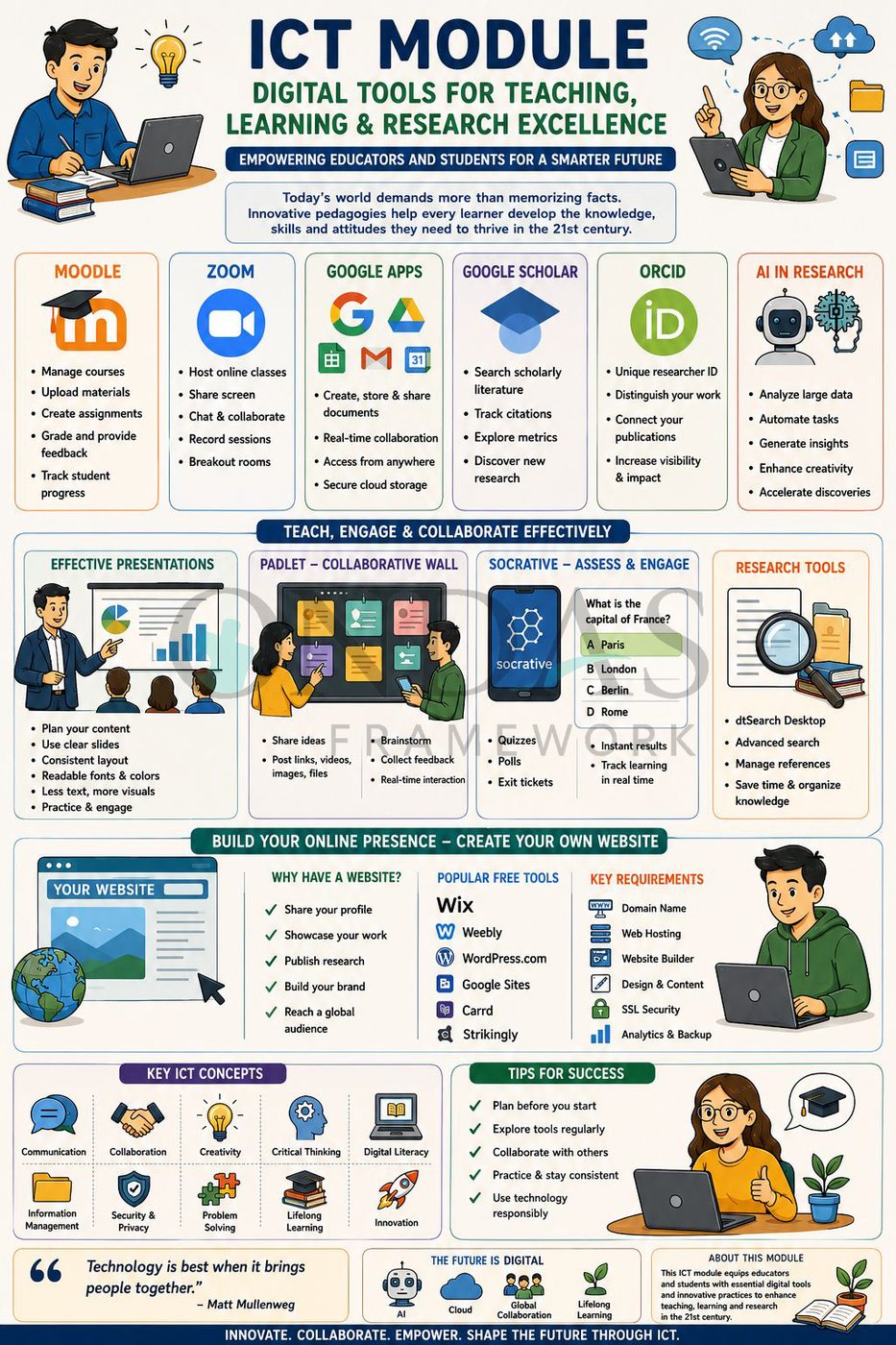
ICT Module — Digital Tools for Teaching & Research
🔍 View full size

Module 1

ICT Module — Digital Tools for Teaching & Research

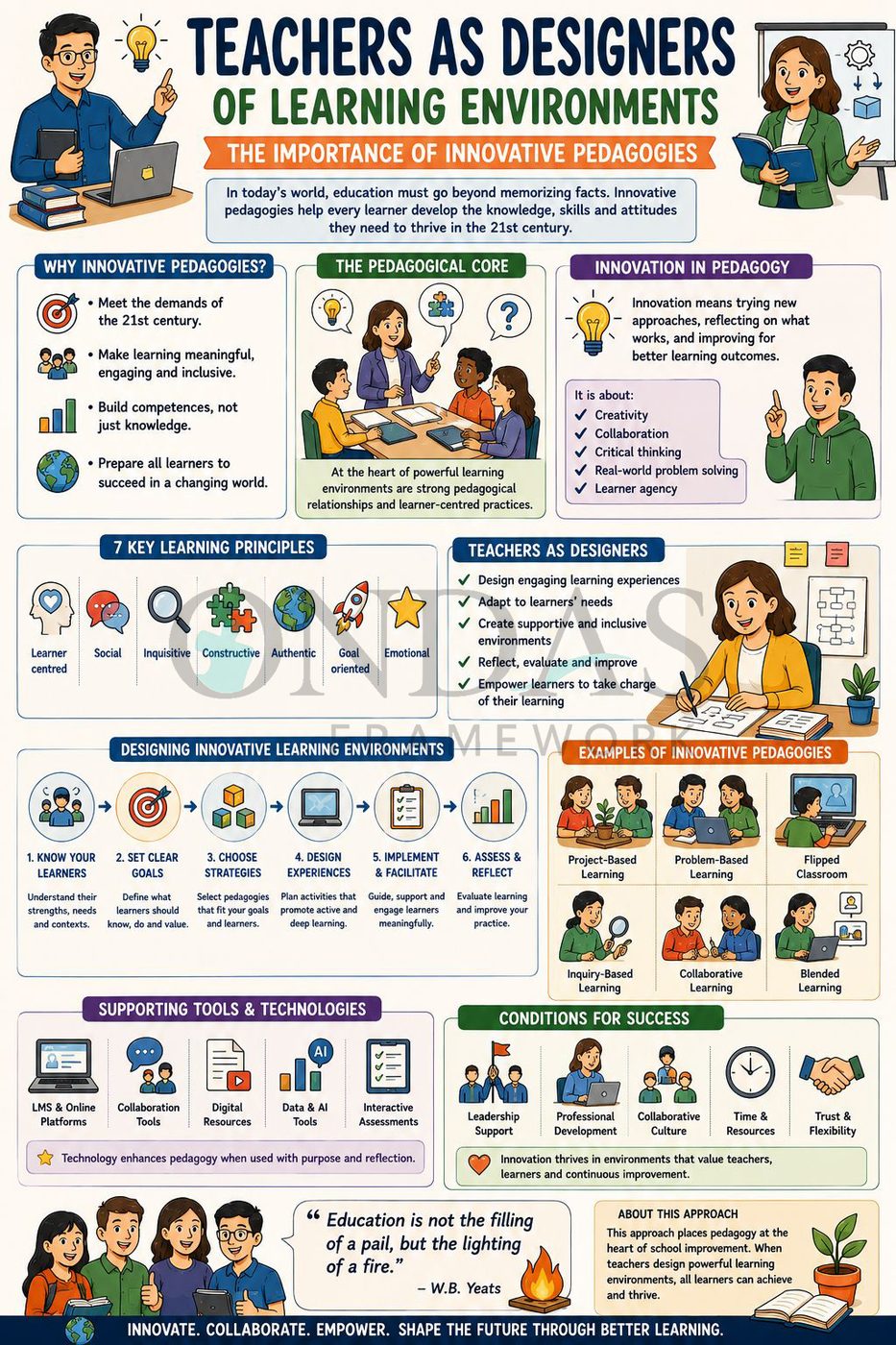
Teachers as Designers of Learning Environments
🔍 View full size

Module 2 · Module 3

Teachers as Designers of Learning Environments

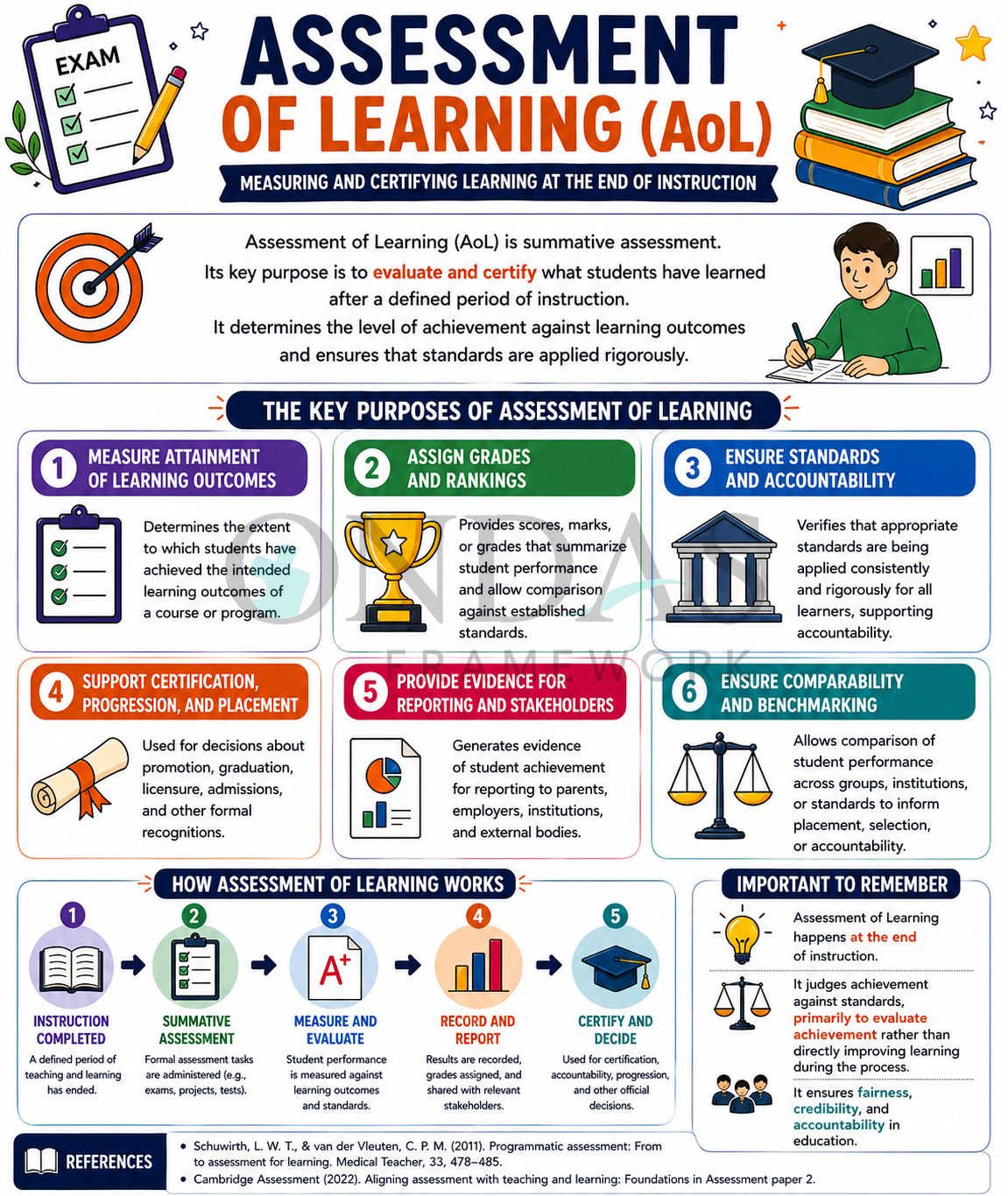
Assessment of Learning (AoL)
🔍 View full size

Module 2 · Module 3

Assessment of Learning (AoL)

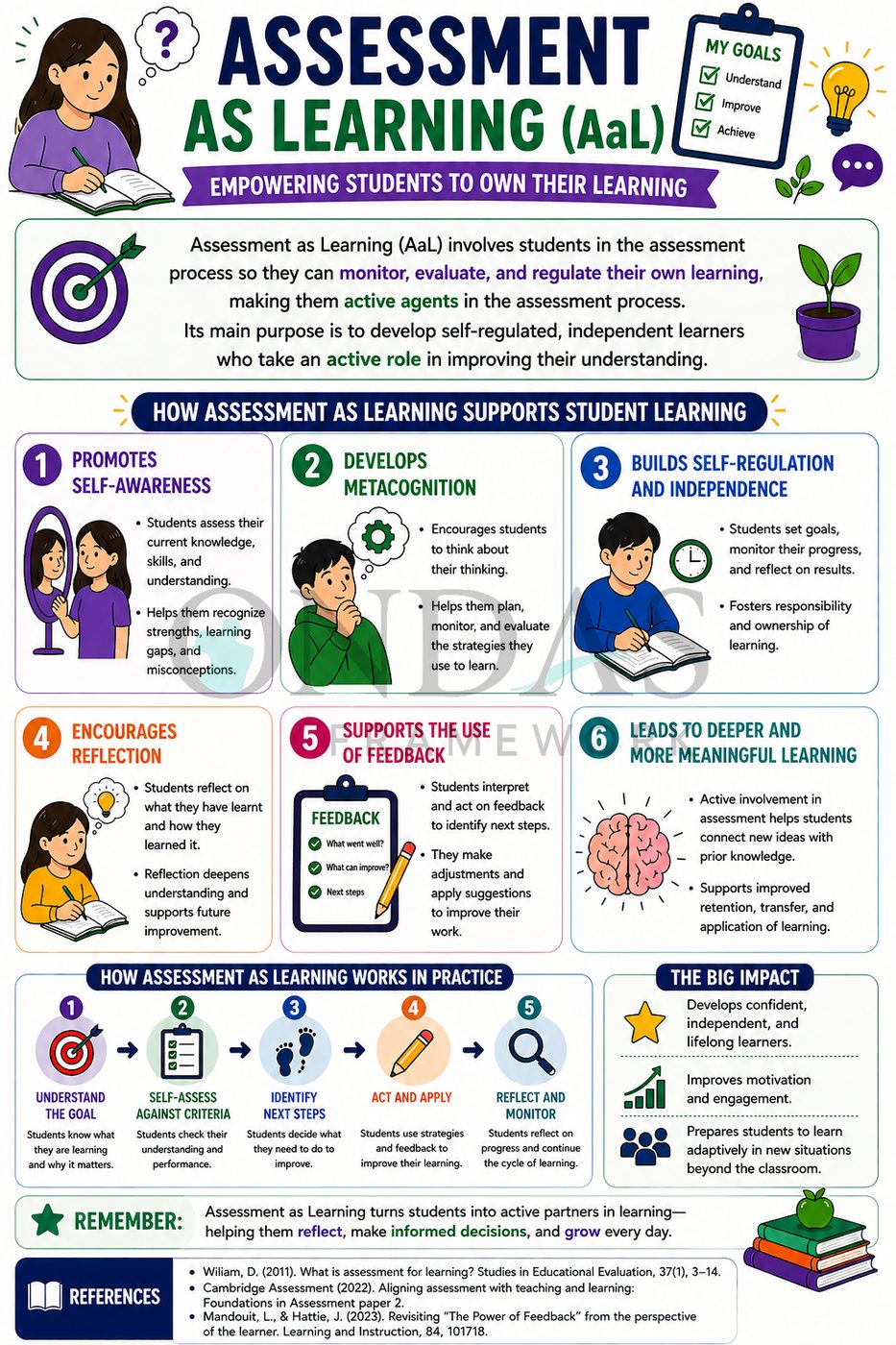
Assessment as Learning (AaL)
🔍 View full size

Module 2 · Module 3

Assessment as Learning (AaL)

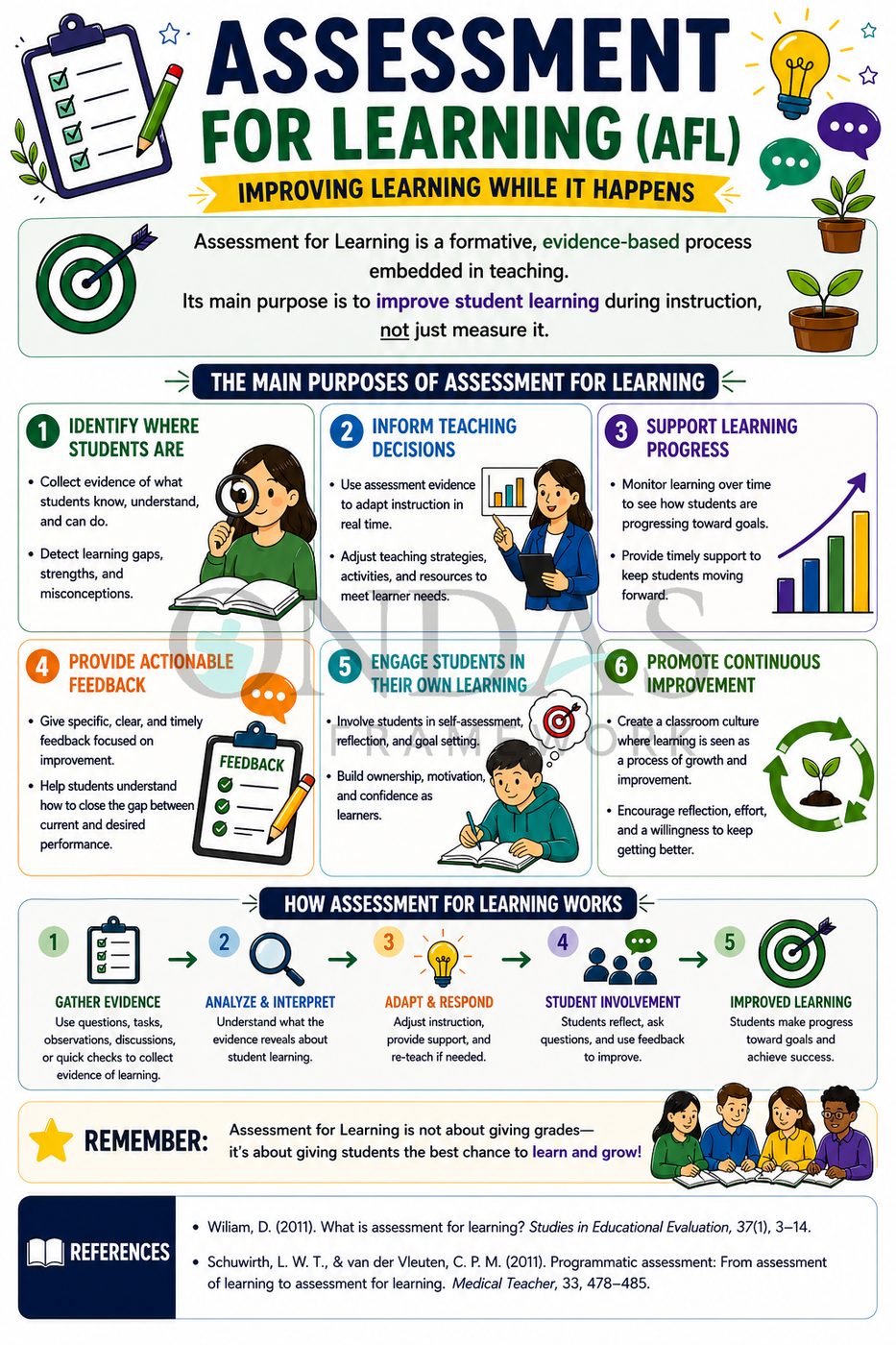
Assessment for Learning (AfL)
🔍 View full size

Module 2 · Module 3

Assessment for Learning (AfL)

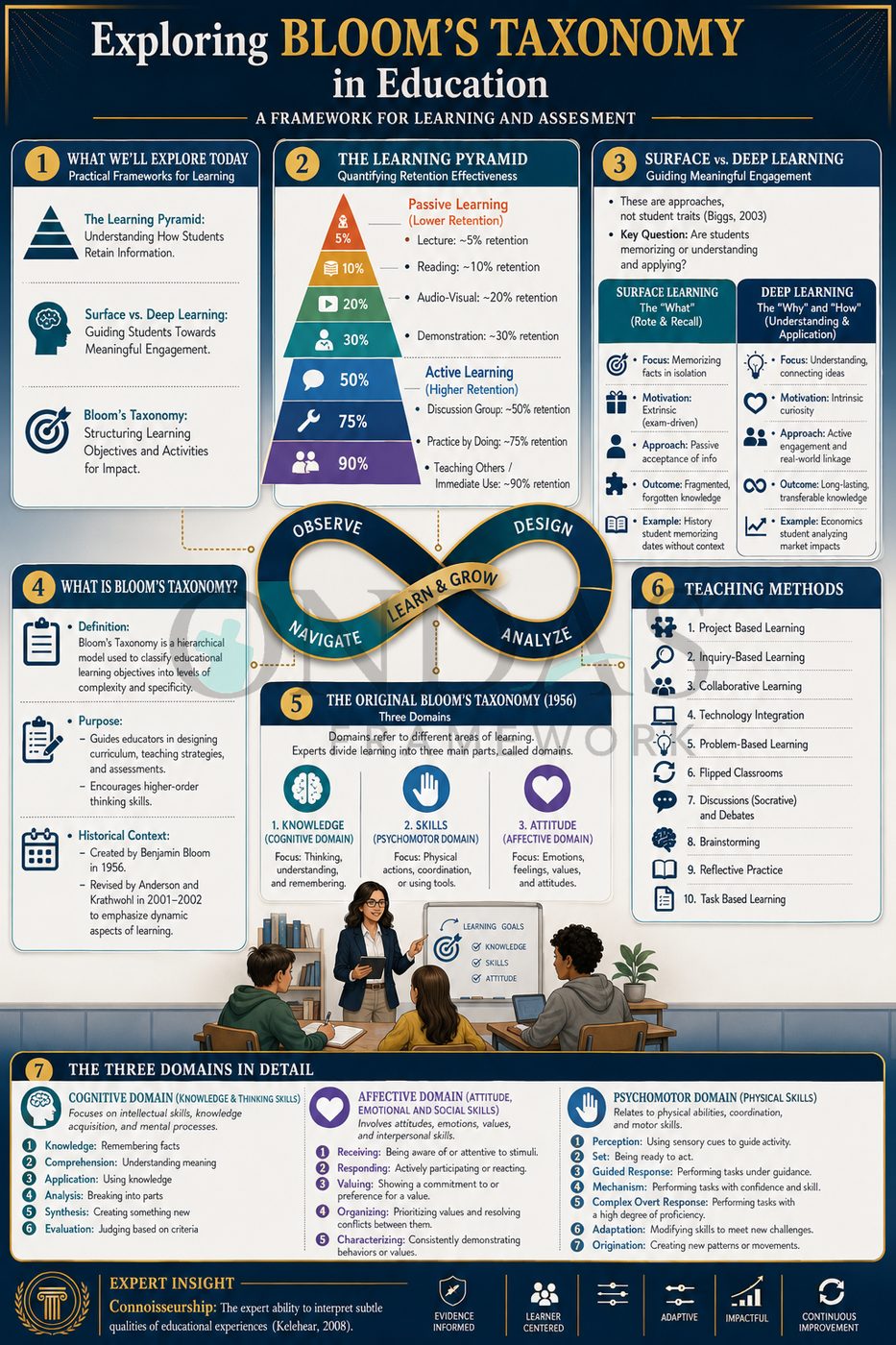
Exploring Bloom's Taxonomy in Education
🔍 View full size

Module 2

Exploring Bloom's Taxonomy in Education

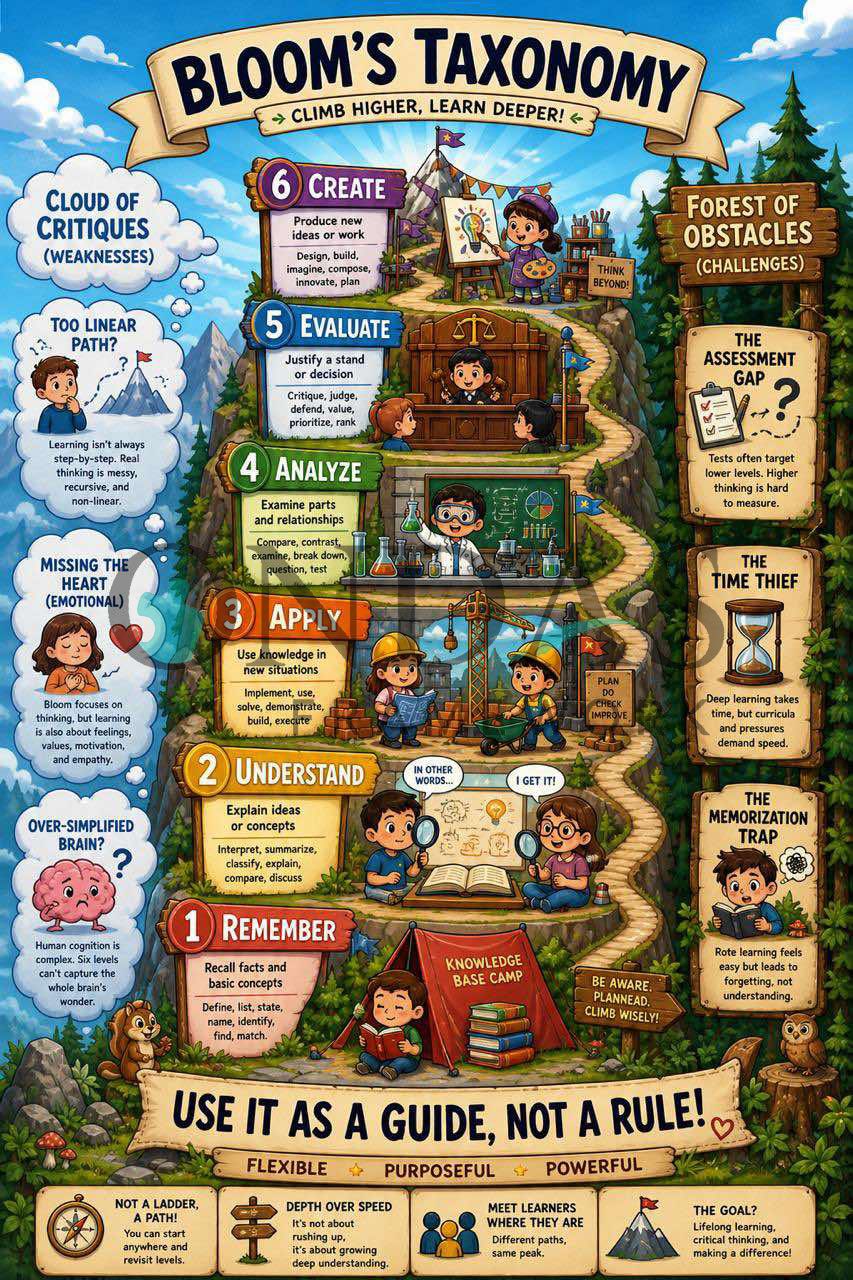
Bloom's Taxonomy — Climb Higher, Learn Deeper
🔍 View full size

Module 2 · Module 4

Bloom's Taxonomy — Climb Higher, Learn Deeper

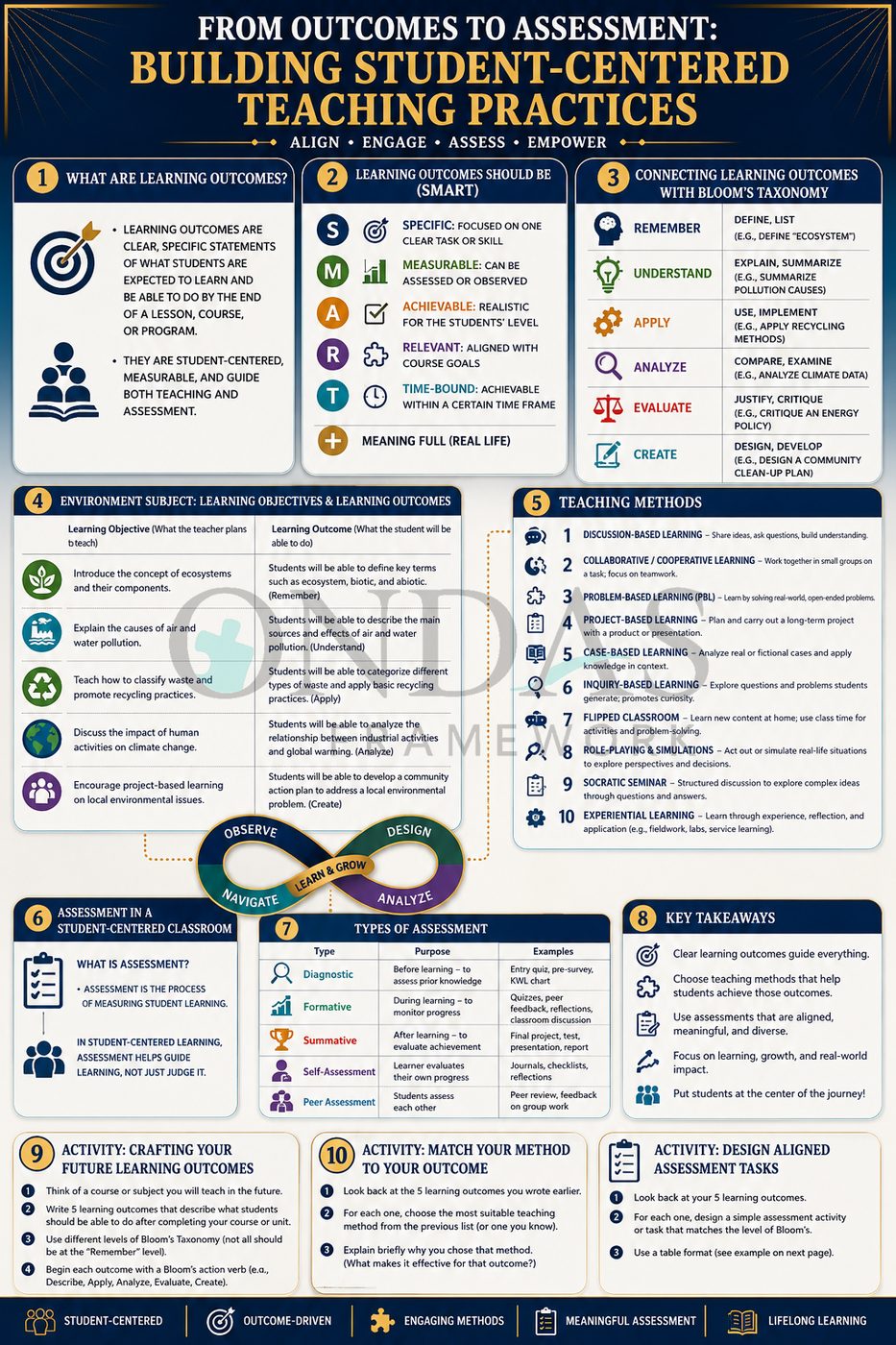
Building Student-Centered Teaching Practices
🔍 View full size

Module 2

Building Student-Centered Teaching Practices

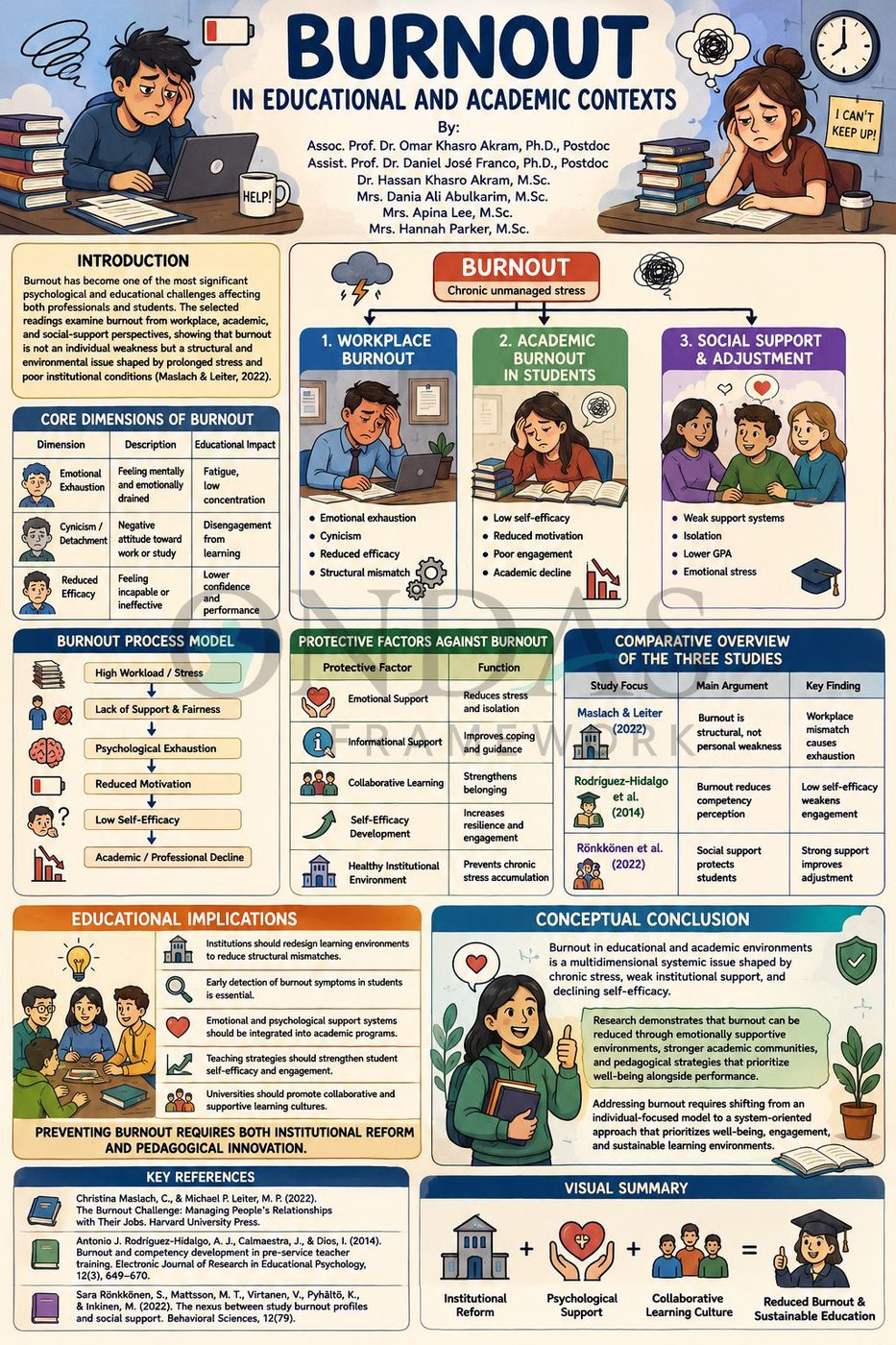
Burnout in Educational and Academic Contexts
🔍 View full size

Module 2

Burnout in Educational and Academic Contexts

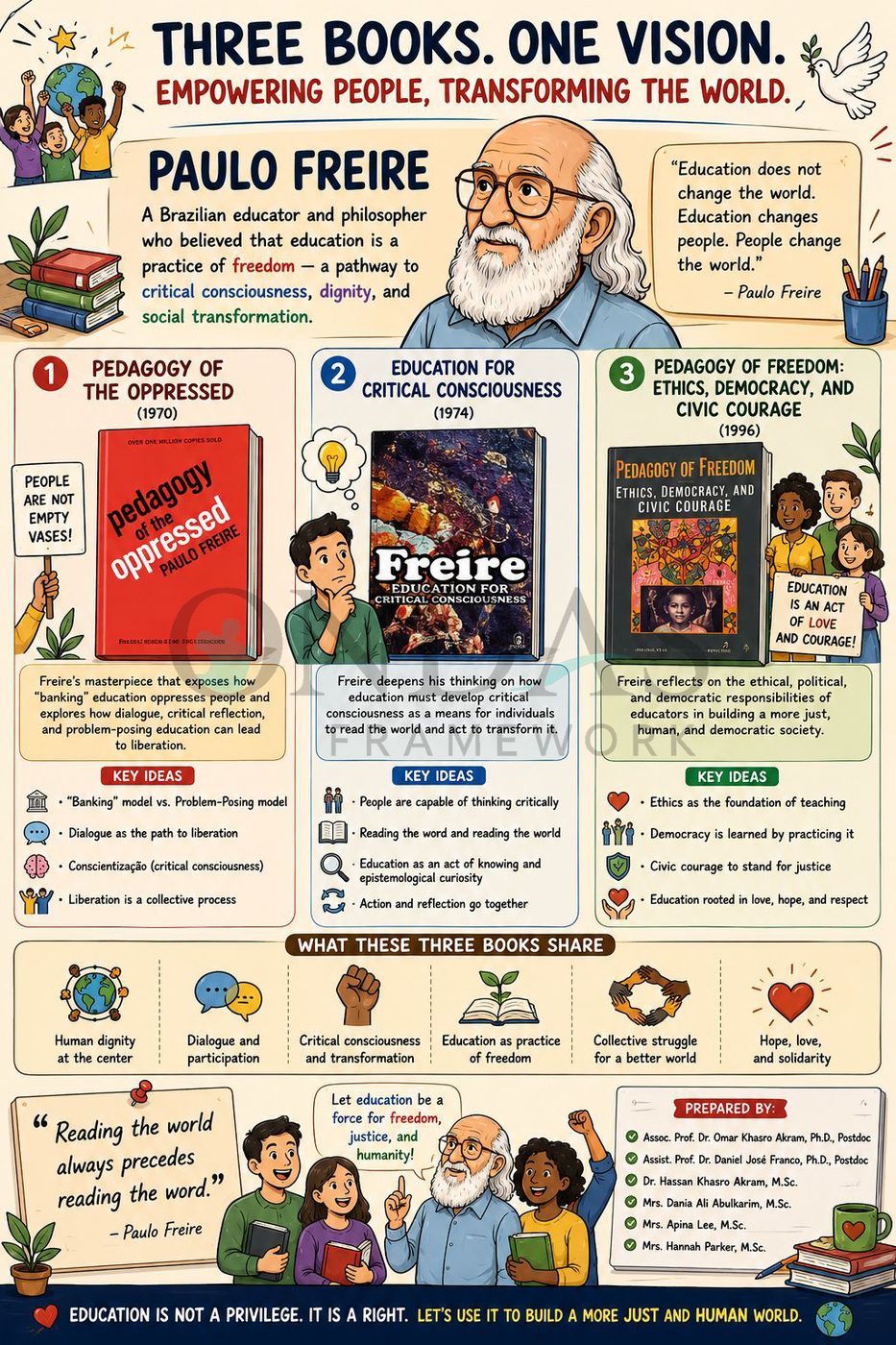
Three Books. One Vision. Paulo Freire
🔍 View full size

Module 2 · Module 4

Three Books. One Vision. Paulo Freire

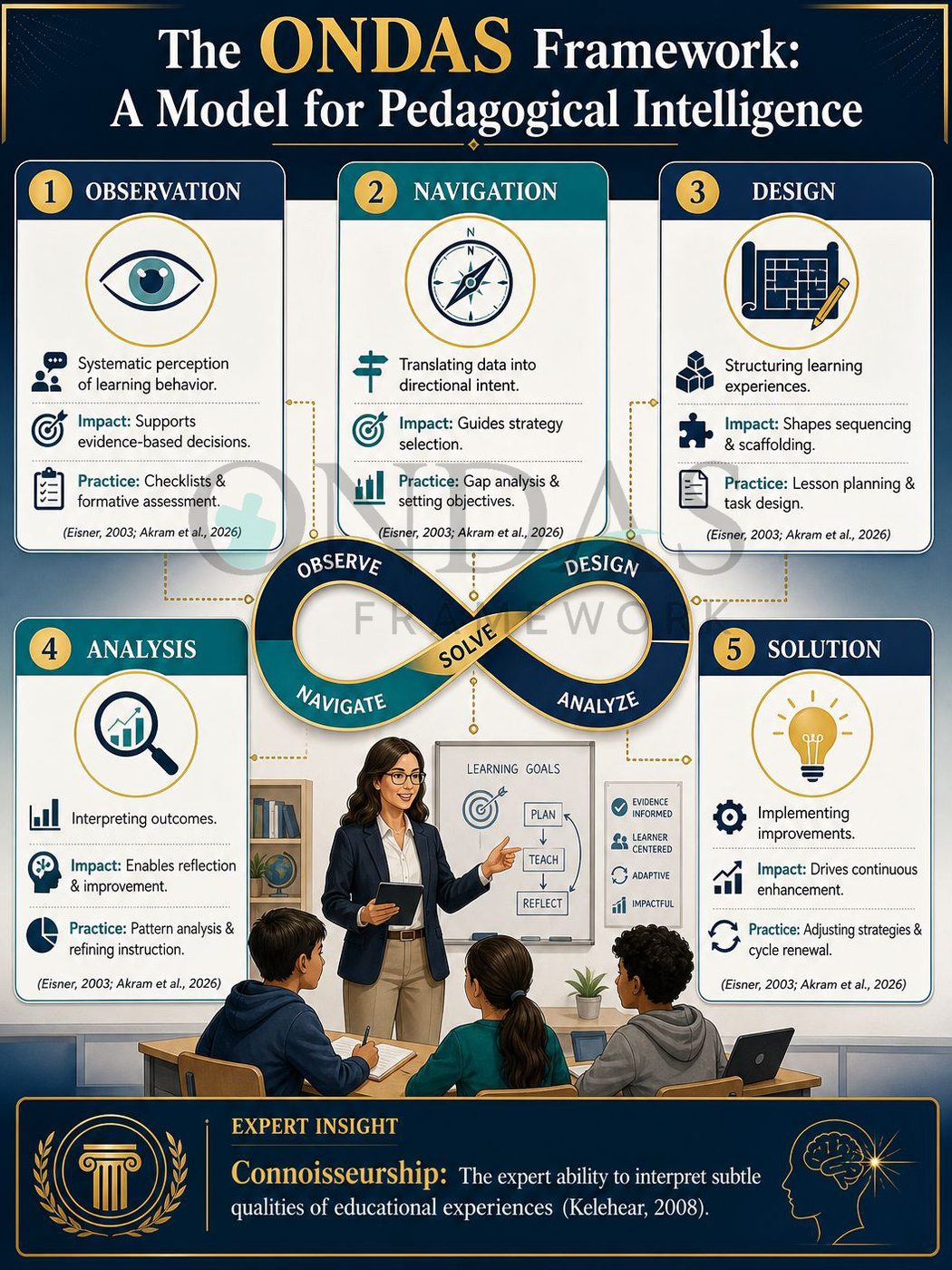
The ONDAS Framework: A Model for Pedagogical Intelligence
🔍 View full size

Module 3

The ONDAS Framework: A Model for Pedagogical Intelligence

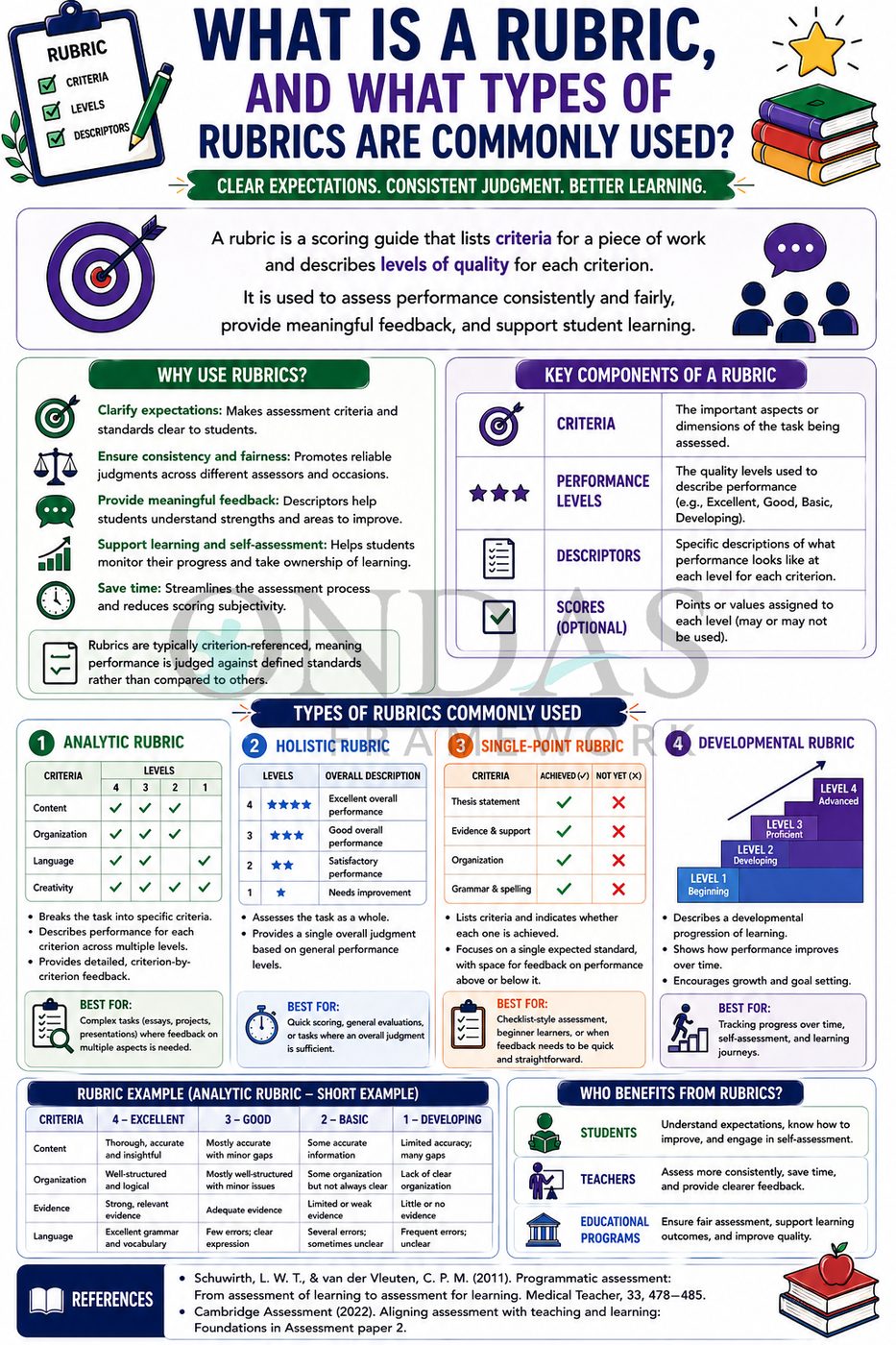
What is a Rubric? Types of Rubrics
🔍 View full size

Module 3

What is a Rubric? Types of Rubrics

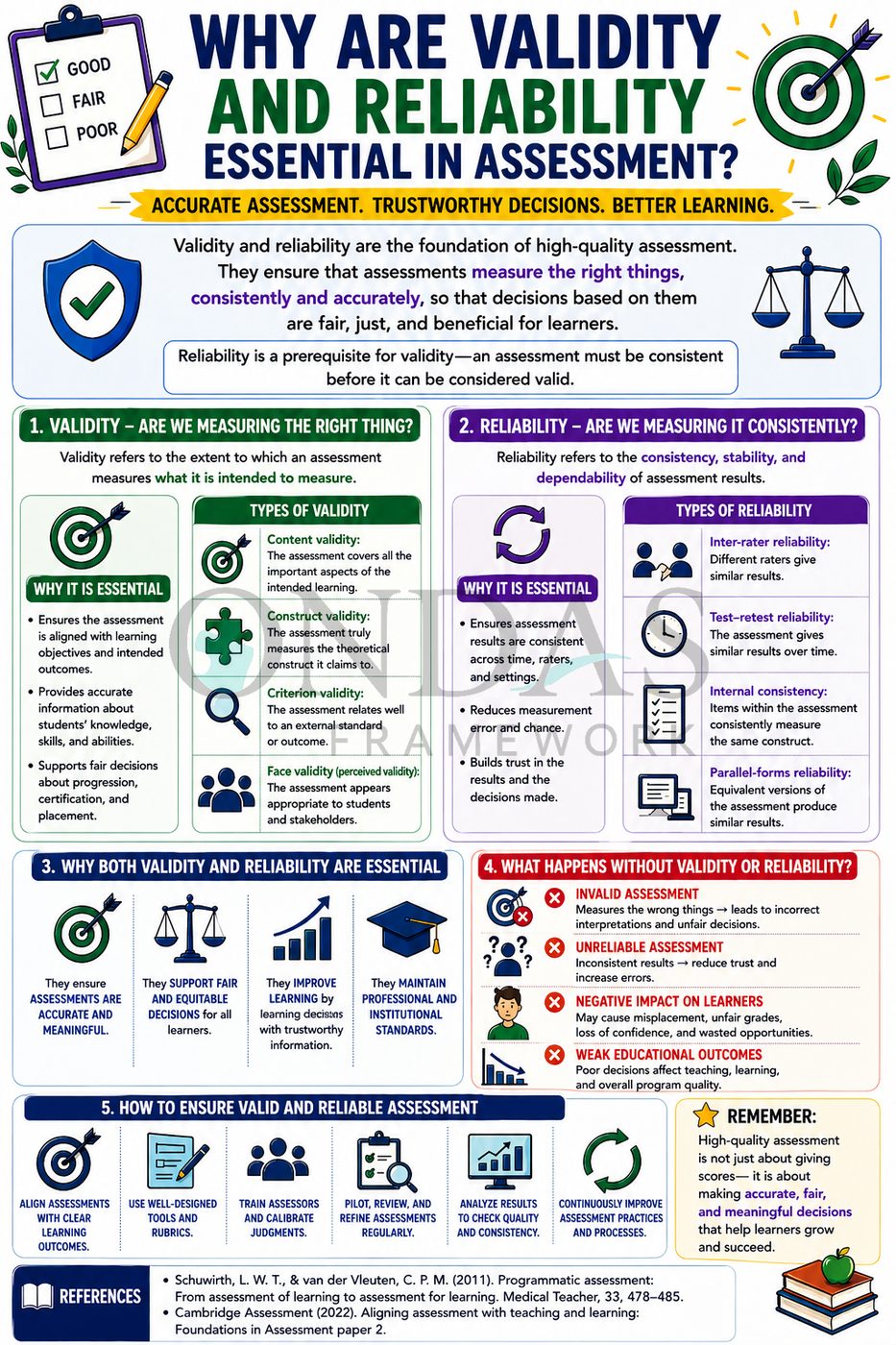
Why Are Validity and Reliability Essential in Assessment?
🔍 View full size

Module 3

Why Are Validity and Reliability Essential in Assessment?

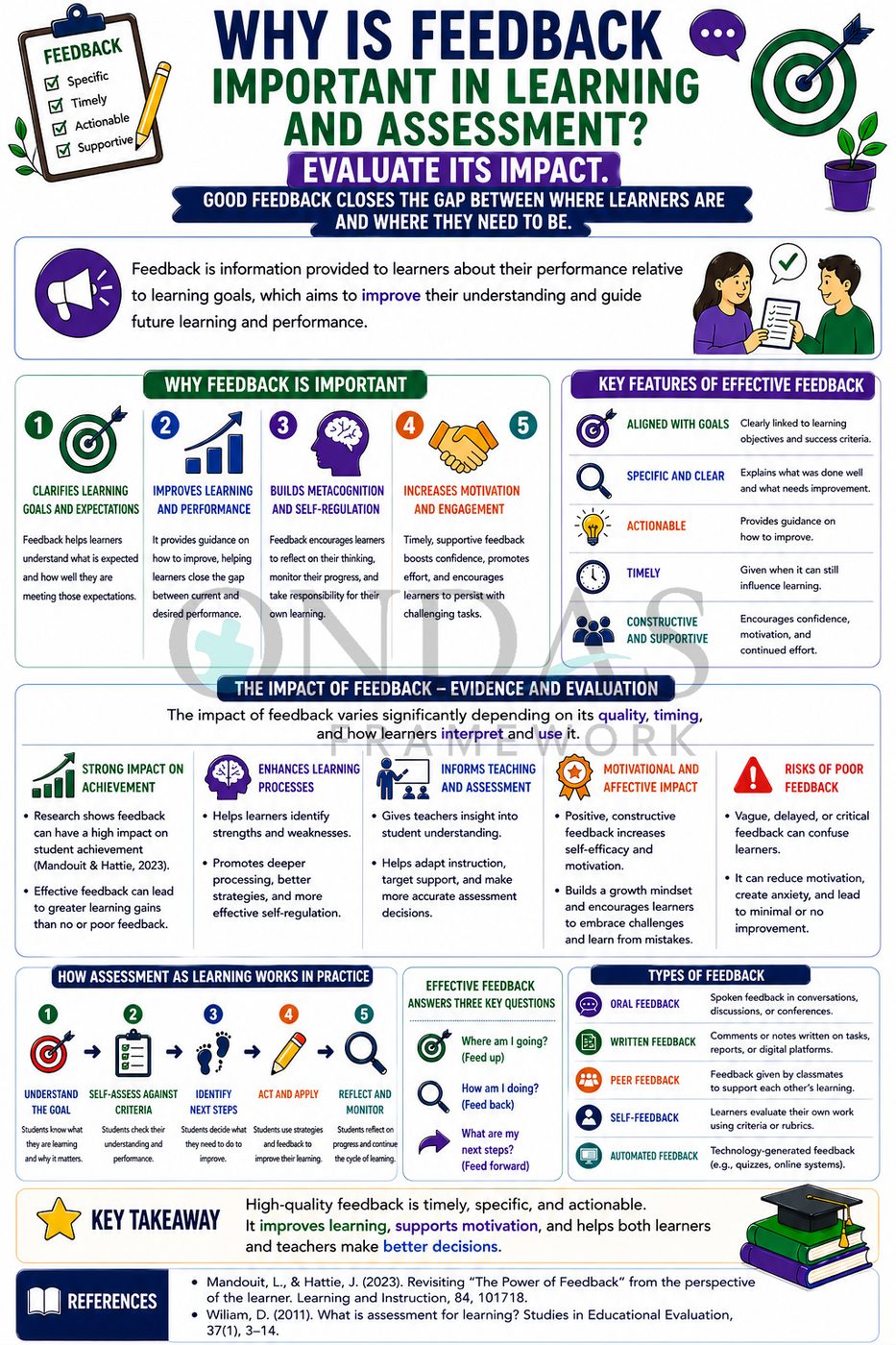
Why is Feedback Important in Learning and Assessment?
🔍 View full size

Module 3

Why is Feedback Important in Learning and Assessment?

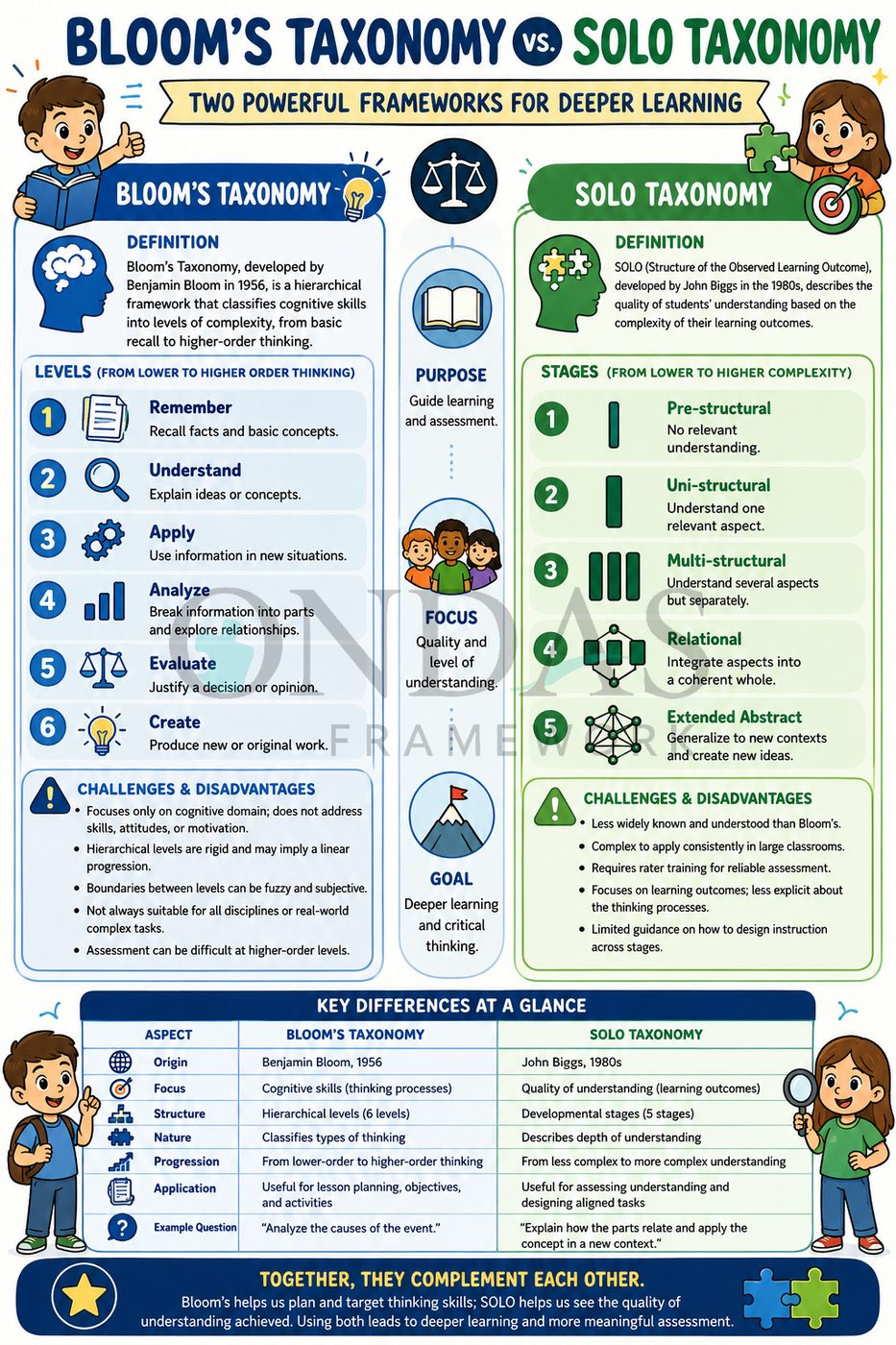
Bloom's Taxonomy vs. SOLO Taxonomy
🔍 View full size

Module 4

Bloom's Taxonomy vs. SOLO Taxonomy

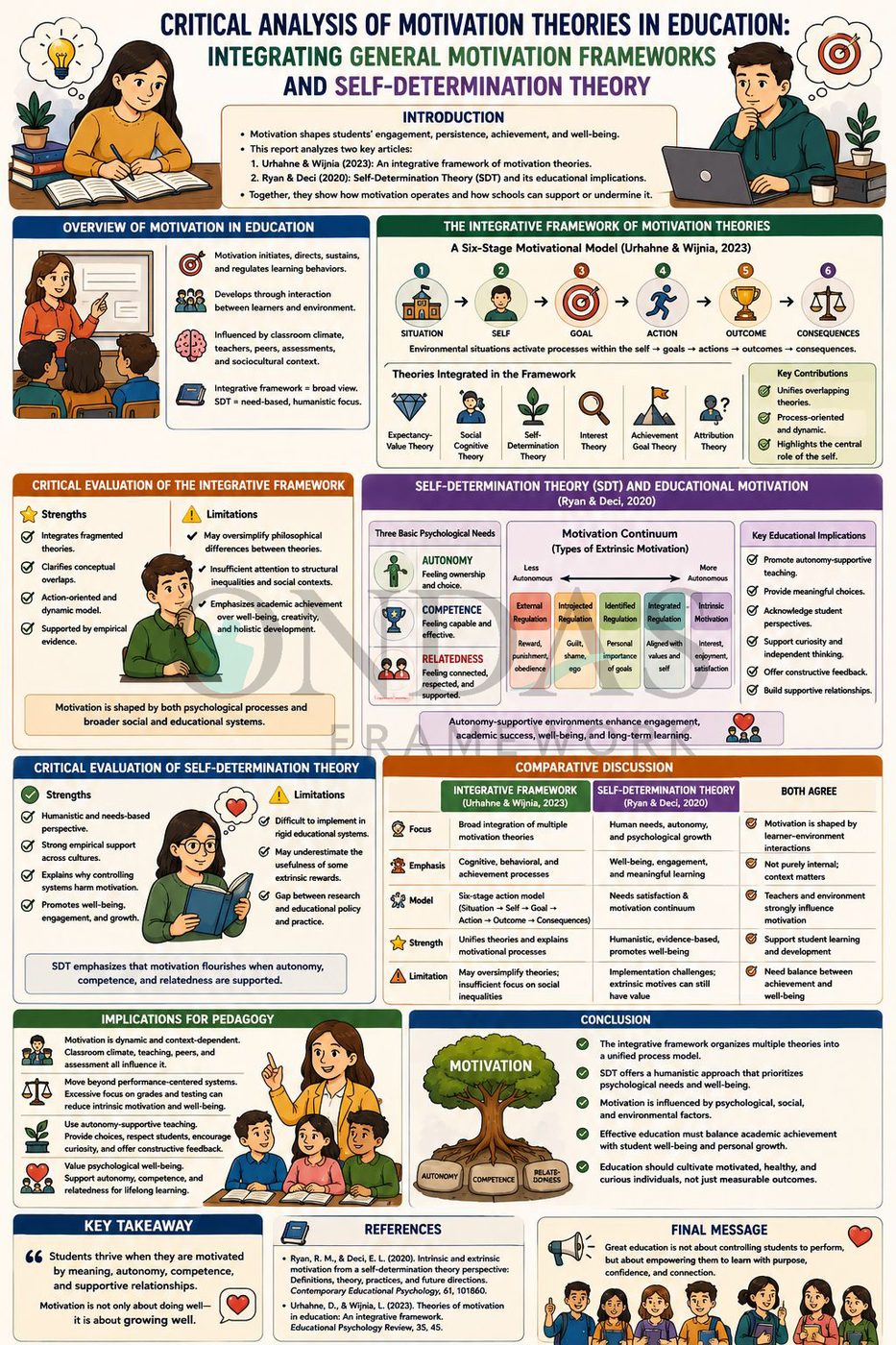
Critical Analysis of Motivation Theories in Education
🔍 View full size

Module 4

Critical Analysis of Motivation Theories in Education

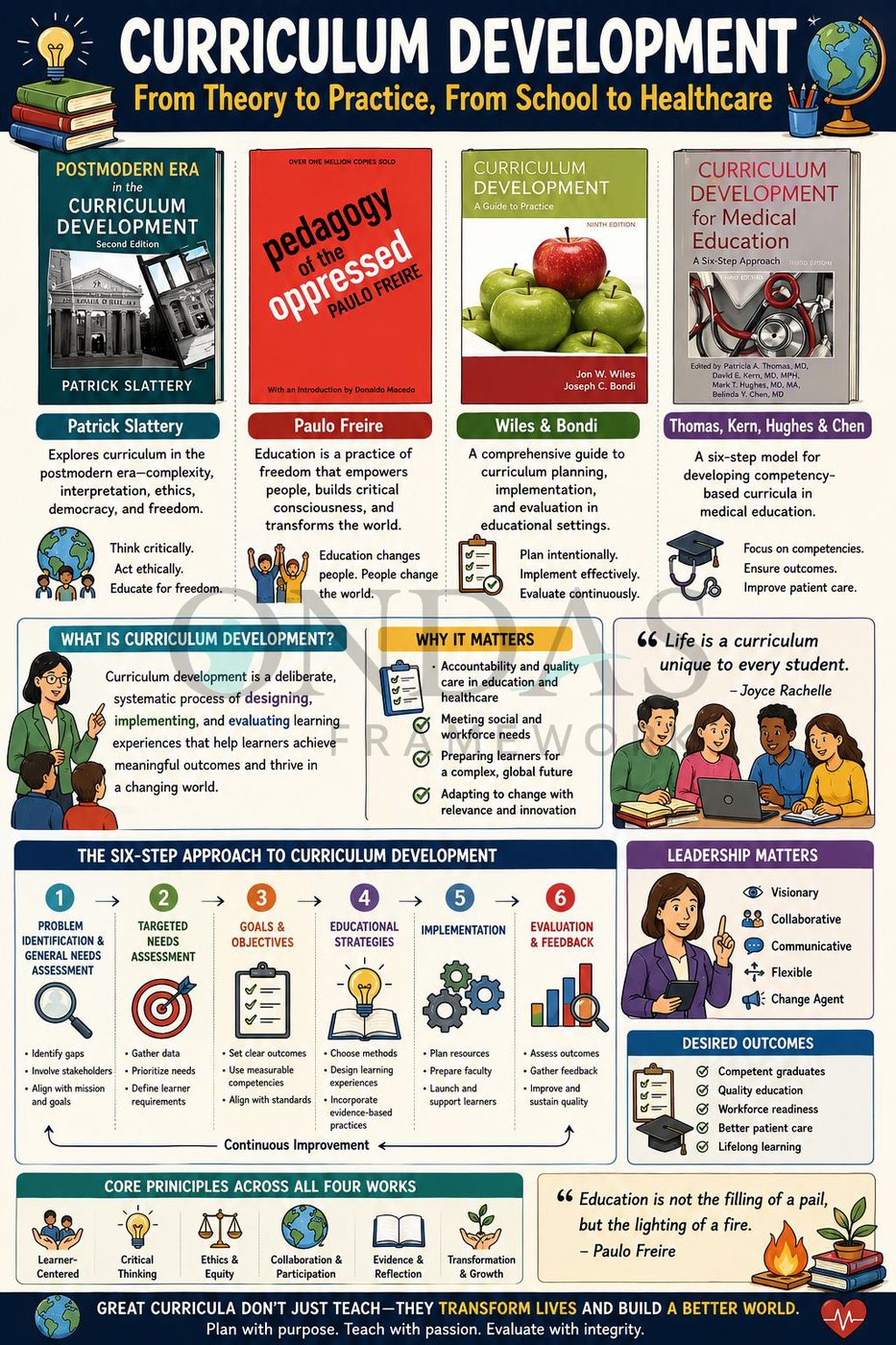
Curriculum Development: From Theory to Practice
🔍 View full size

Module 4

Curriculum Development: From Theory to Practice

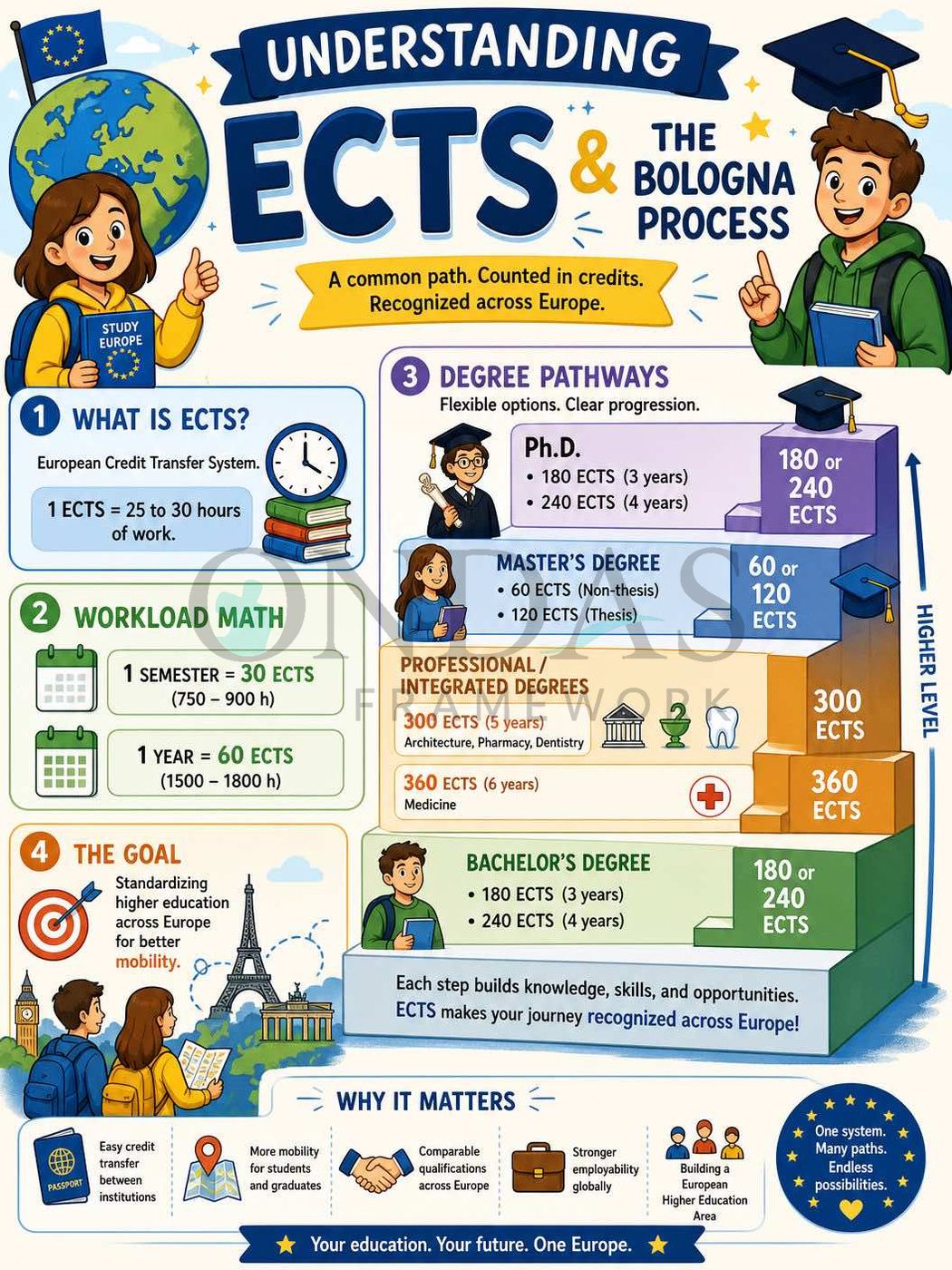
Understanding ECTS & The Bologna Process
🔍 View full size

Module 4

Understanding ECTS & The Bologna Process

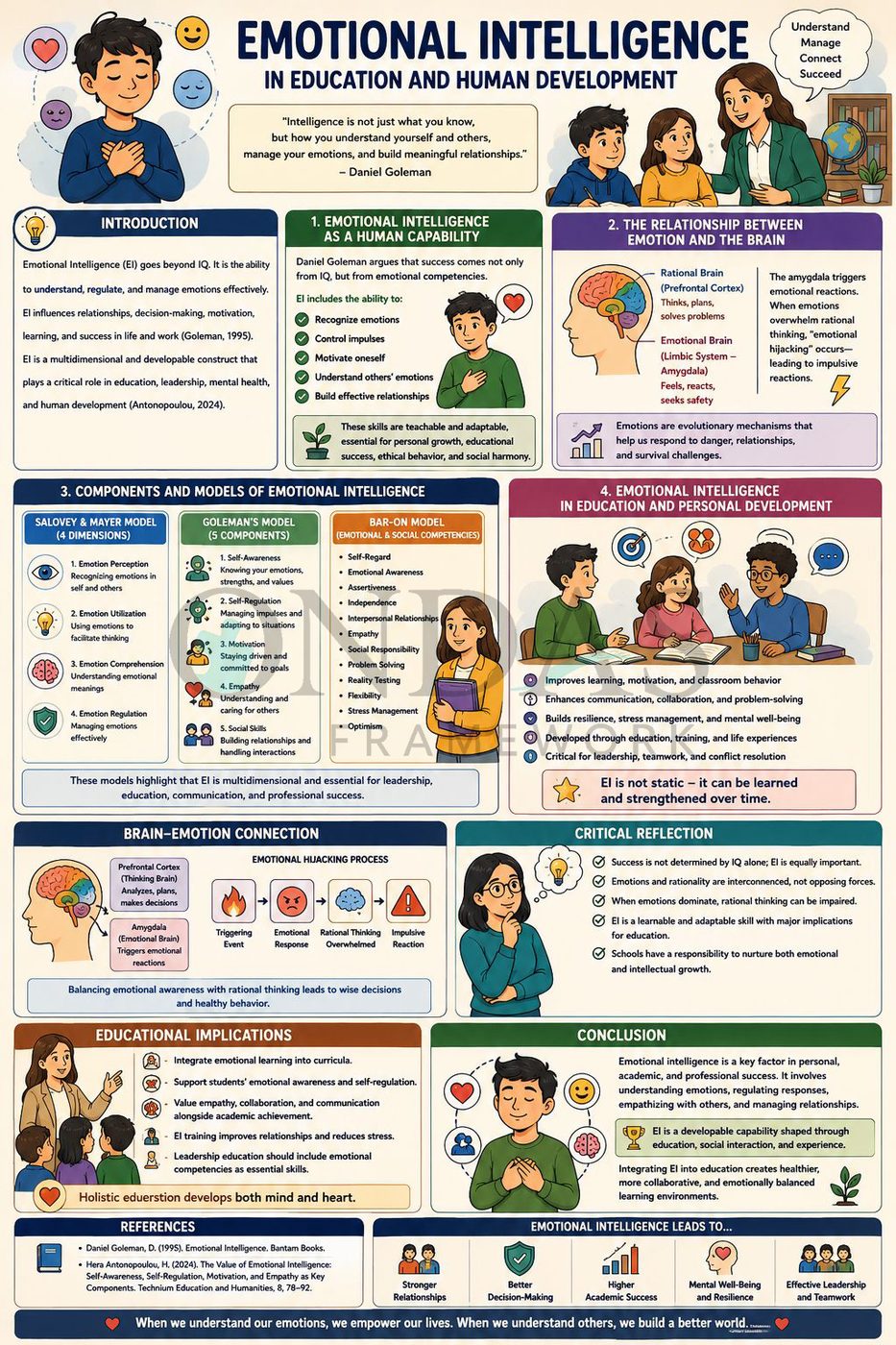
Emotional Intelligence in Education and Human Development
🔍 View full size

Module 4 · Module 6

Emotional Intelligence in Education and Human Development

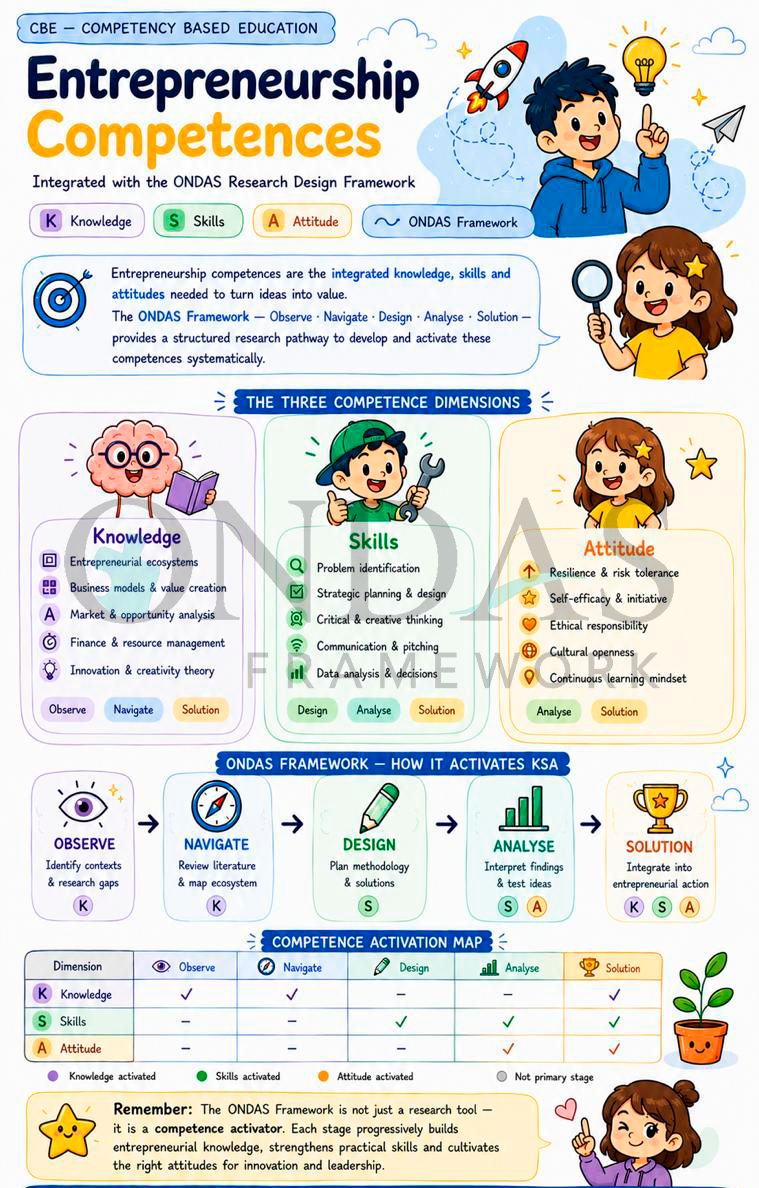
Entrepreneurship Competences & ONDAS Framework
🔍 View full size

Module 4 · Module 6

Entrepreneurship Competences & ONDAS Framework

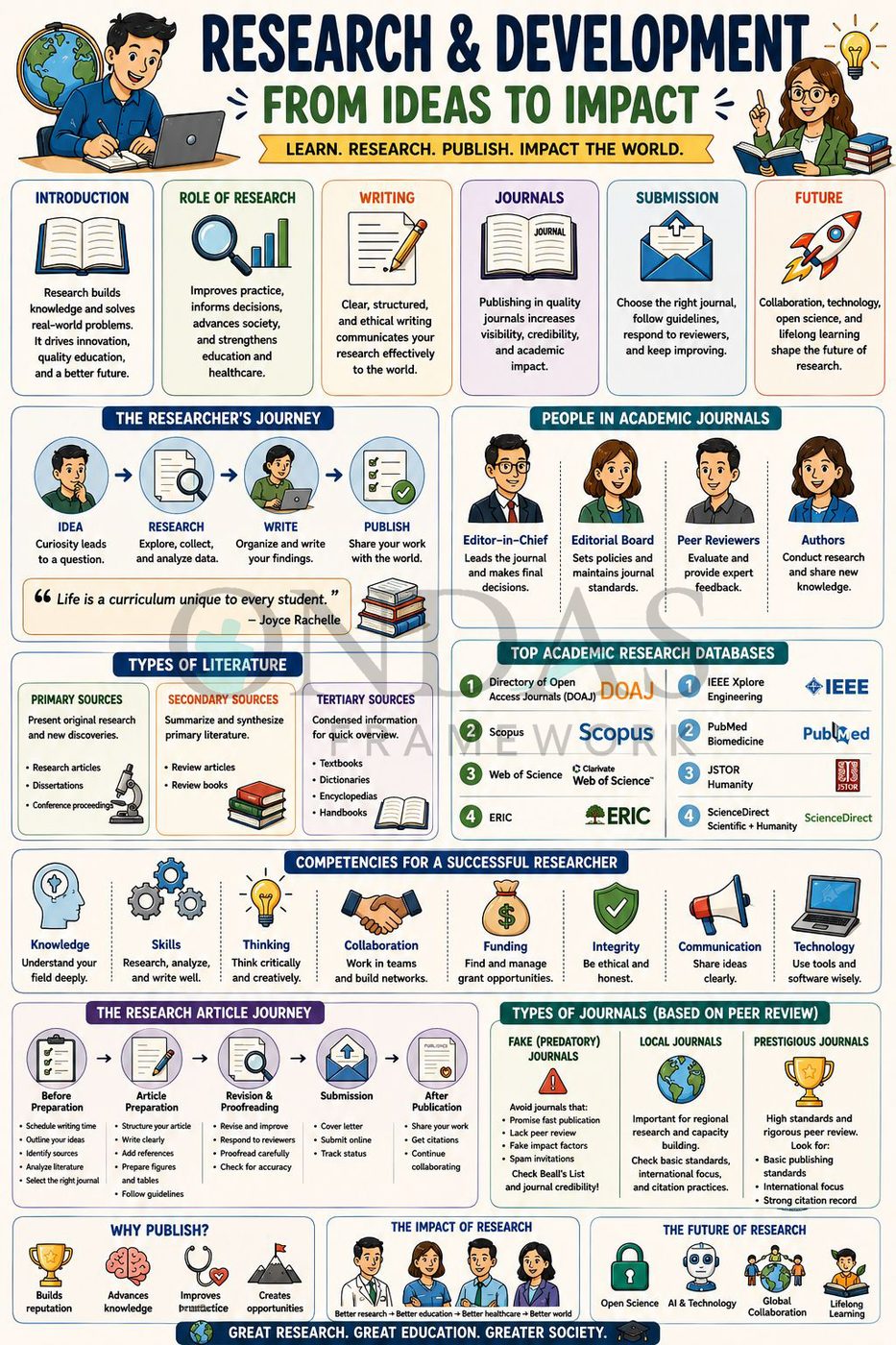
Research & Development: From Ideas to Impact
🔍 View full size

Module 5

Research & Development: From Ideas to Impact

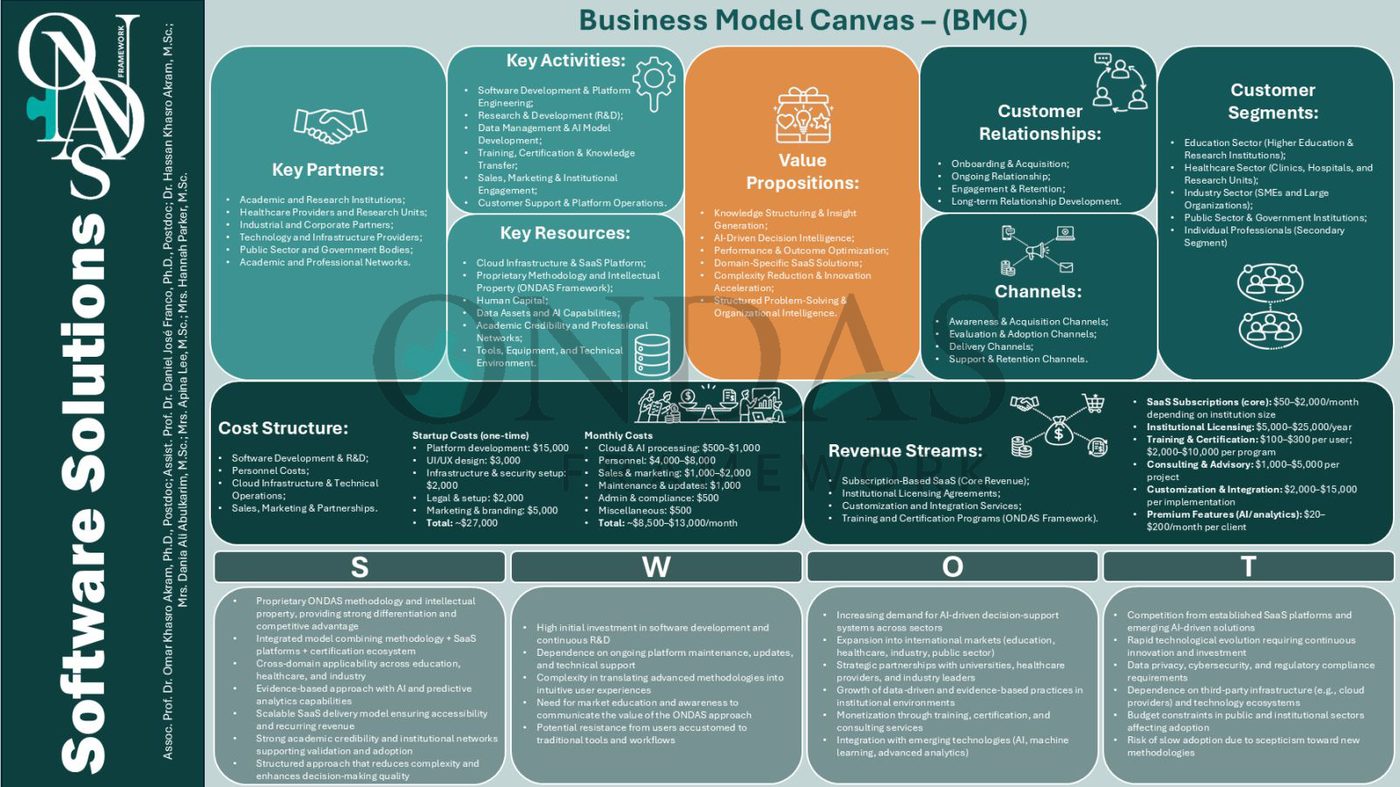
Business Model Canvas (BMC) — Software Solutions
🔍 View full size

Module 6

Business Model Canvas (BMC) — Software Solutions

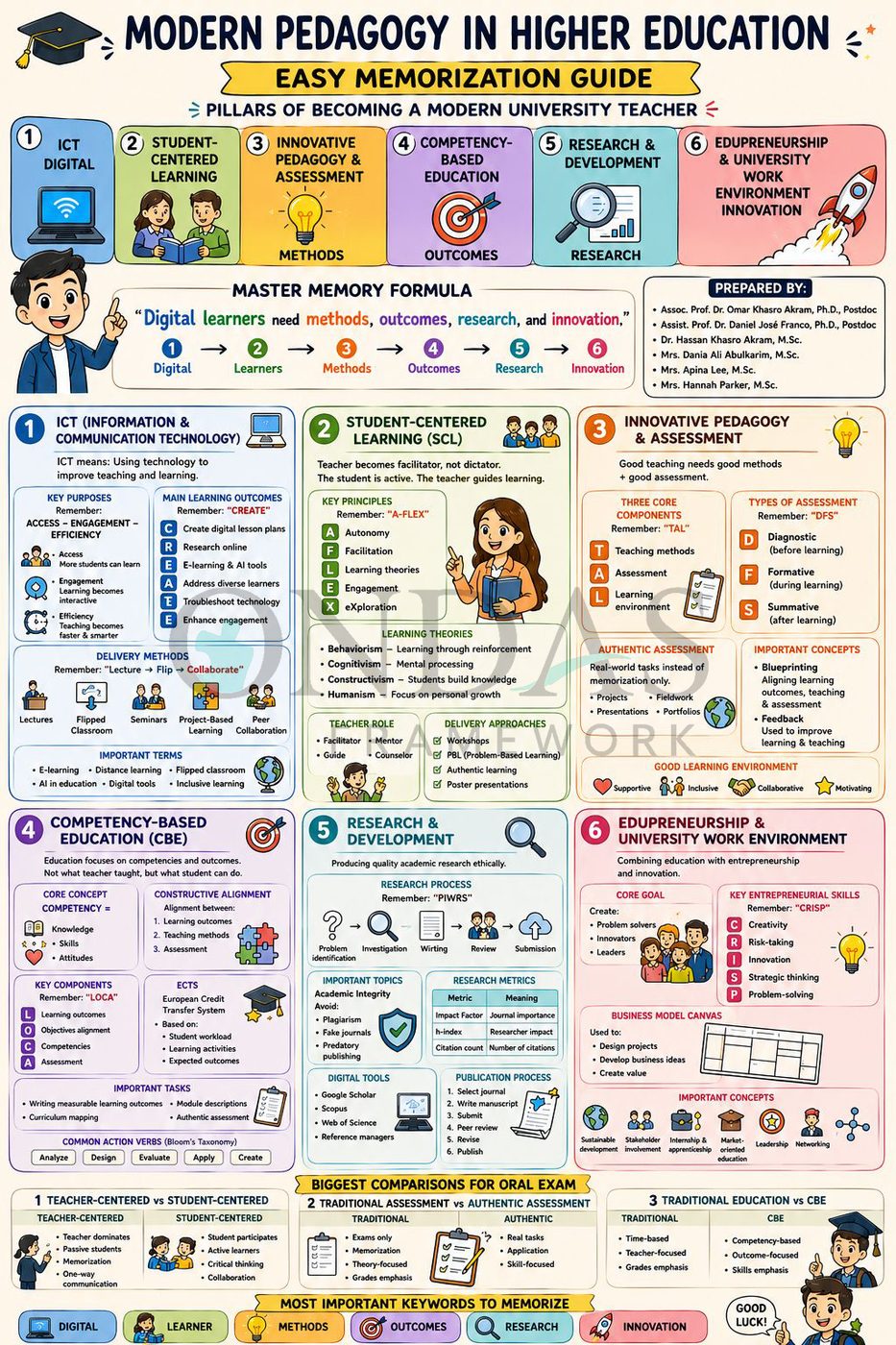
Modern Pedagogy in Higher Education
🔍 View full size

All modules

Modern Pedagogy in Higher Education

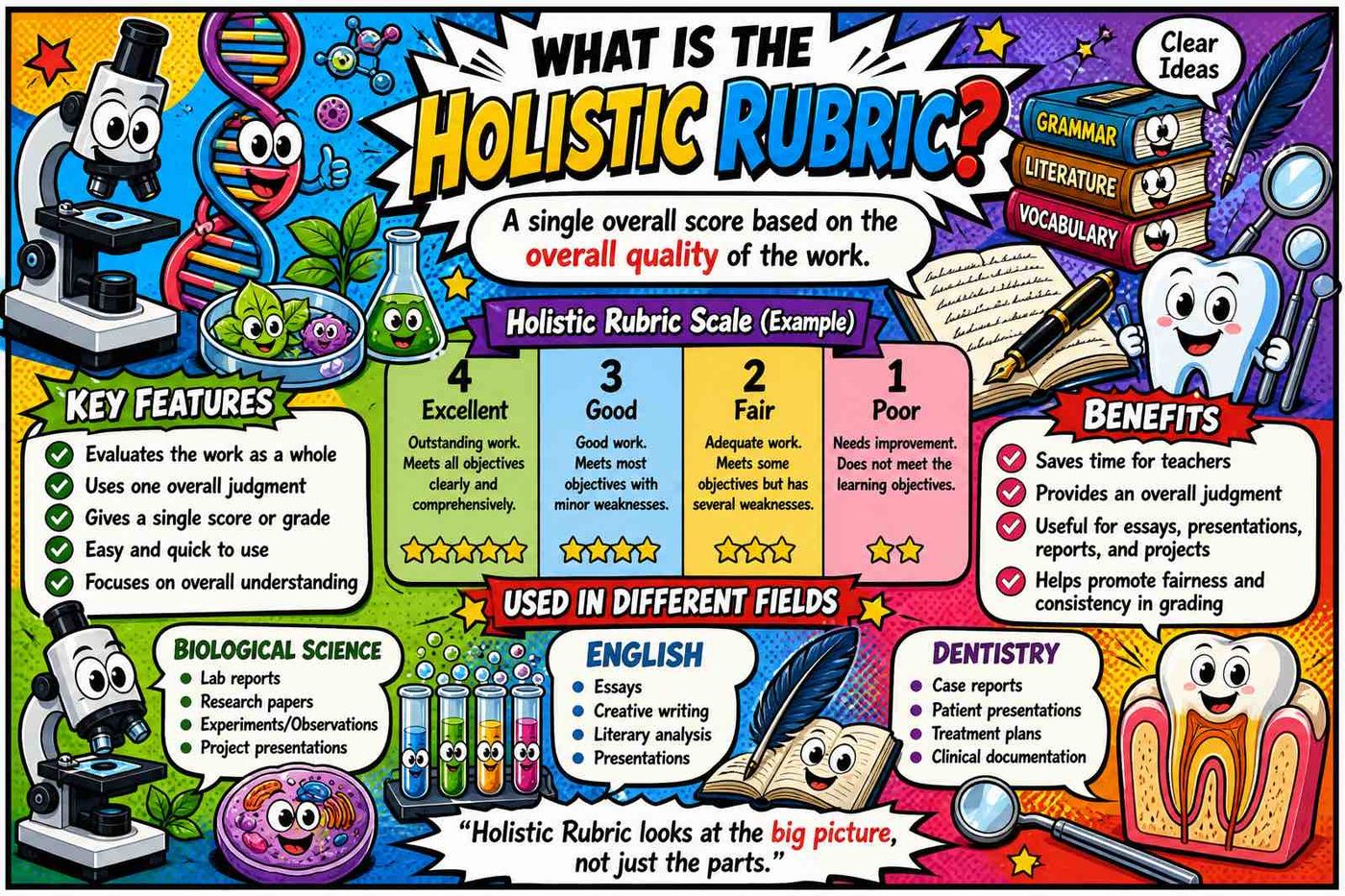
What is the Holistic Rubric?
🔍 View full size

Module 3 · Module 4

What is the Holistic Rubric?

Research & Development Module poster
🔍 View full size

Module 5

Research & Development Module poster

Photo gallery

Academy in Action

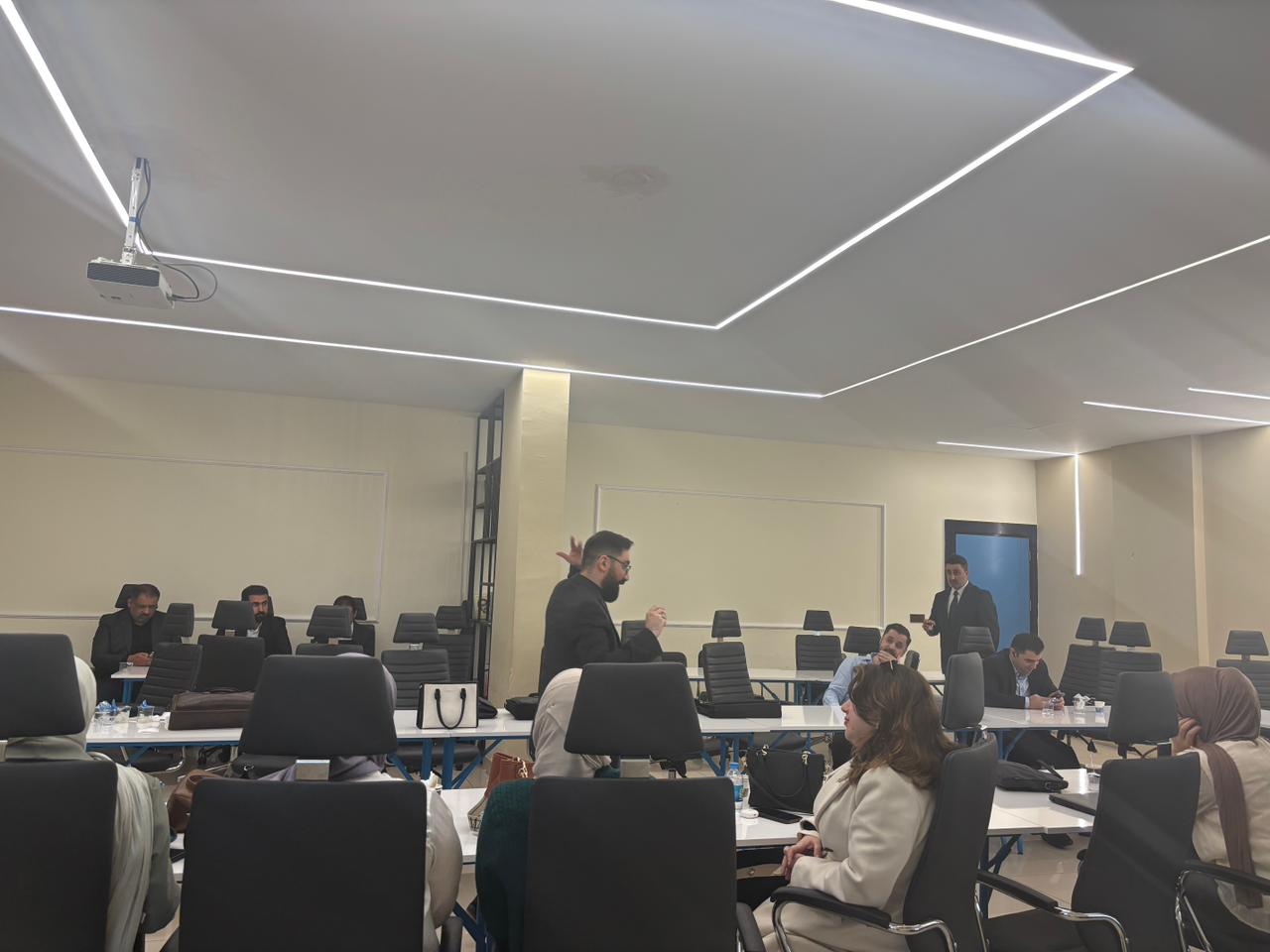
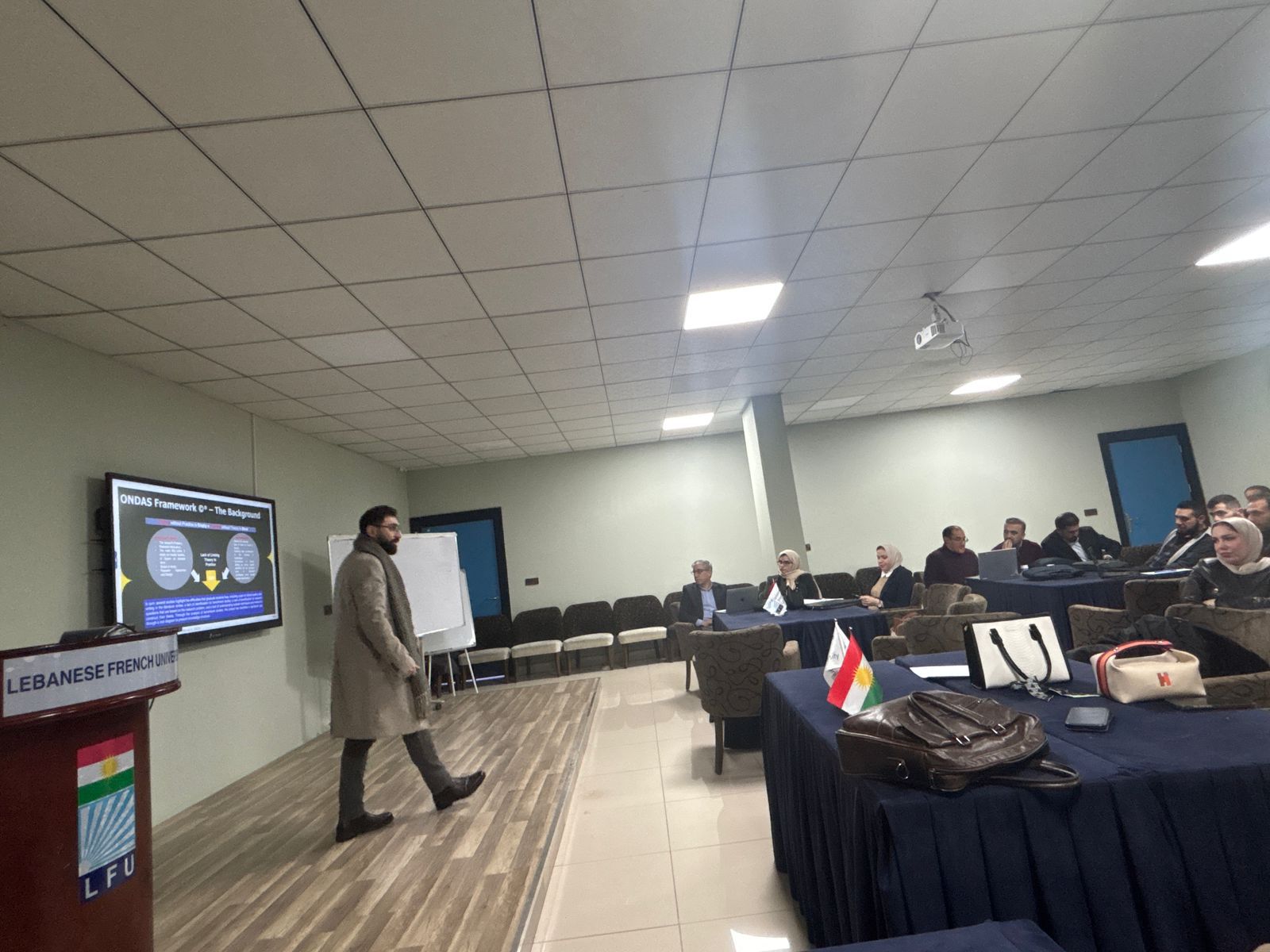
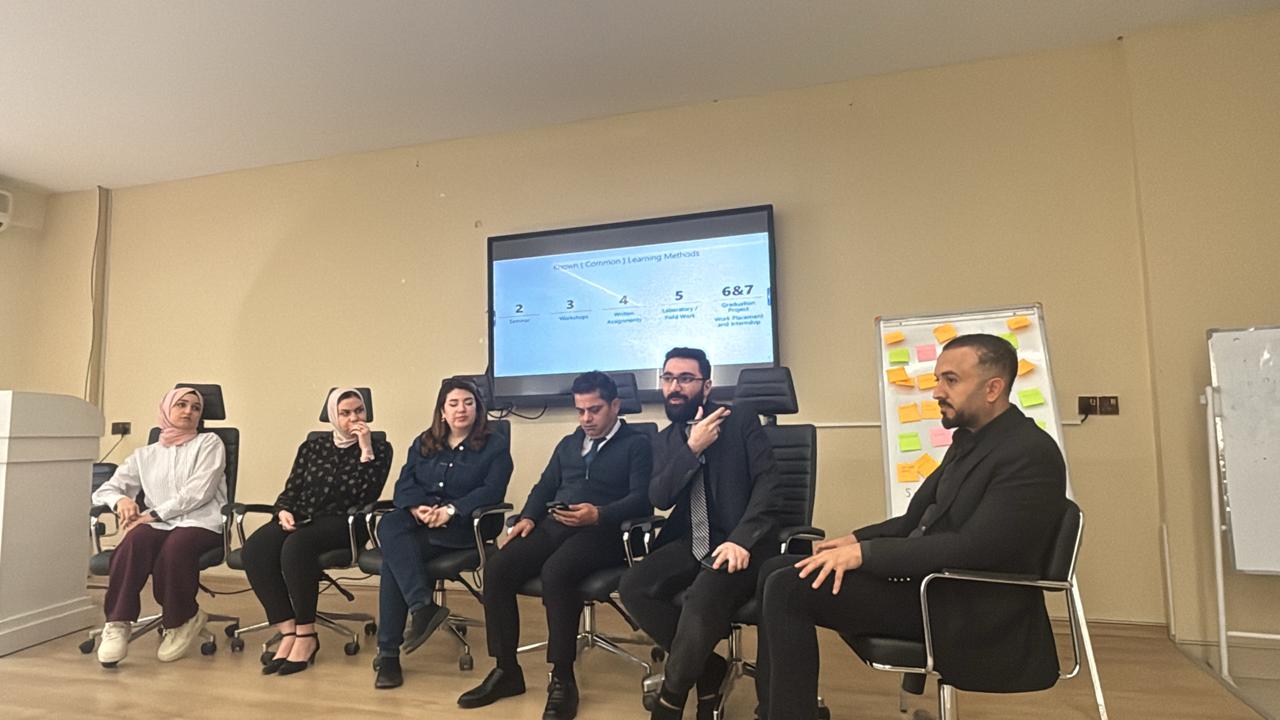
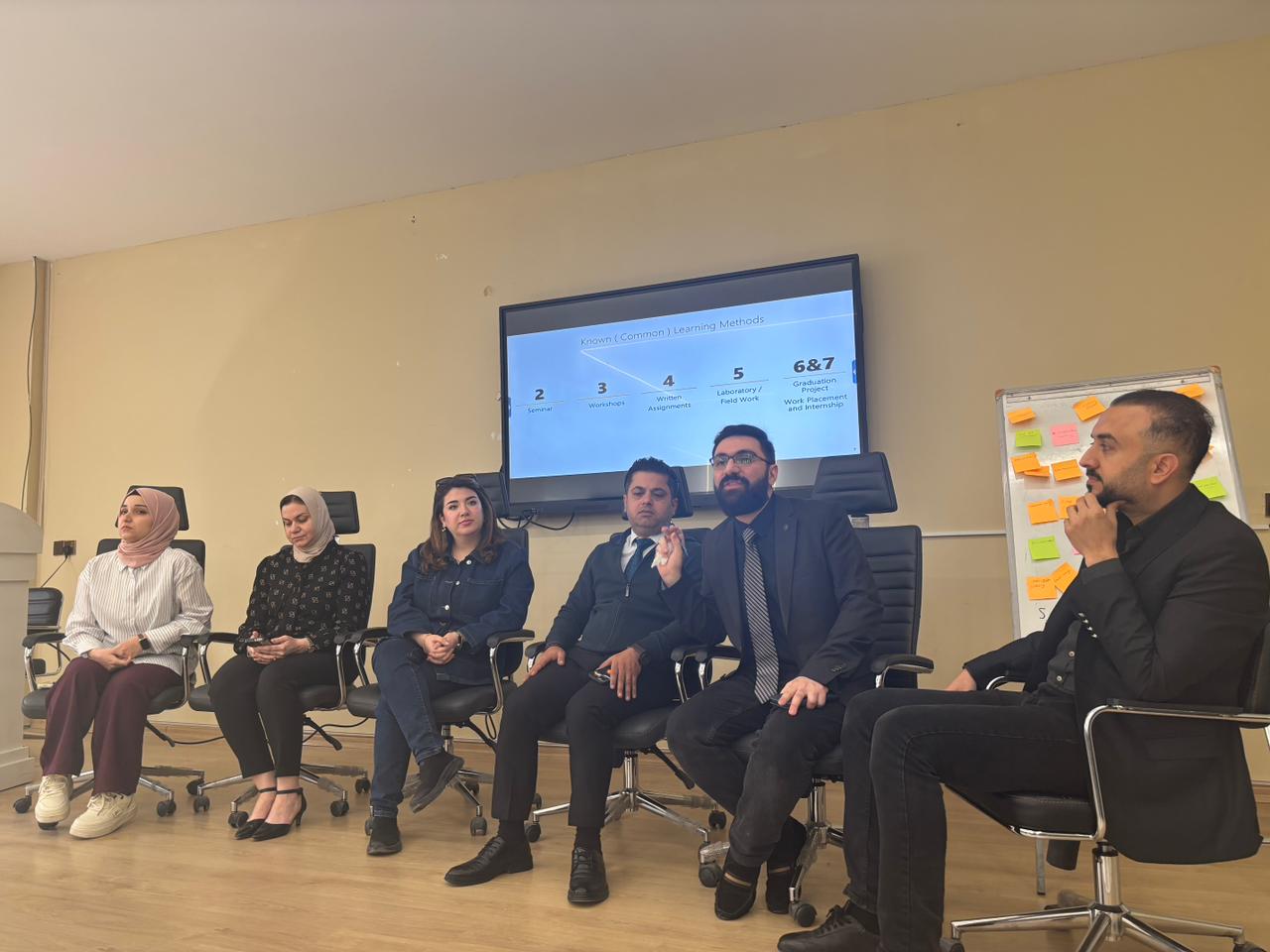
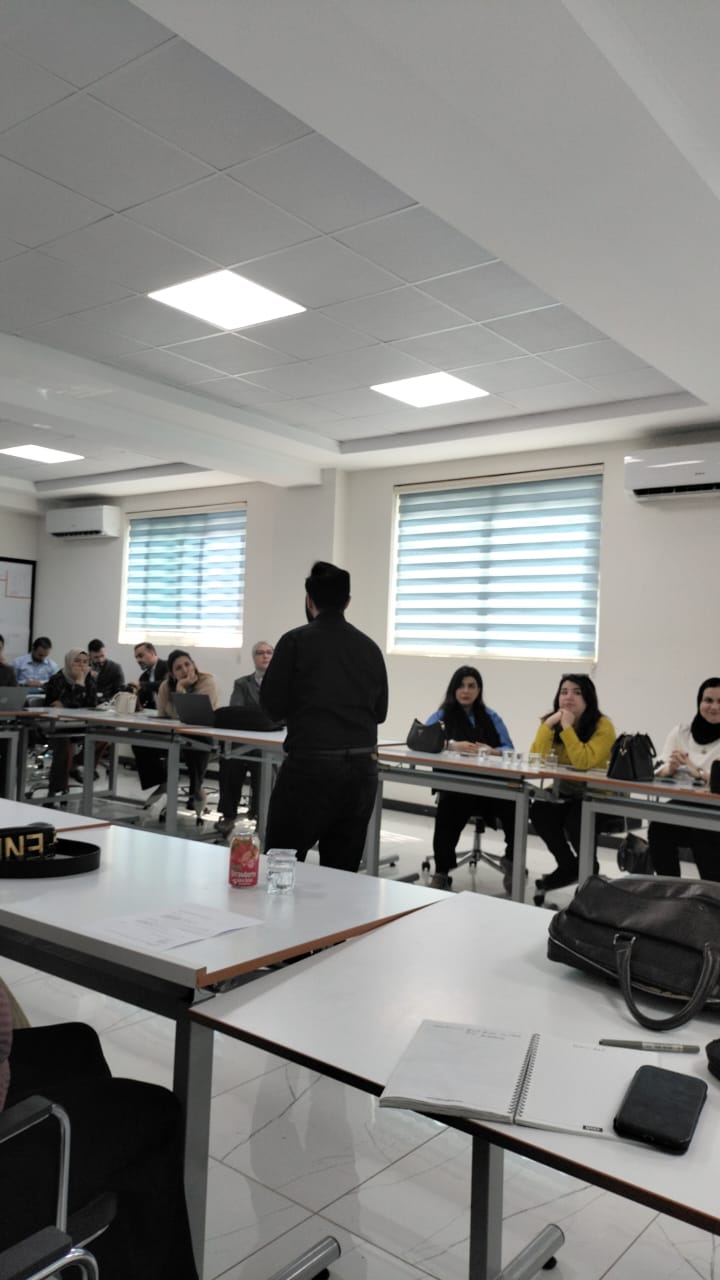
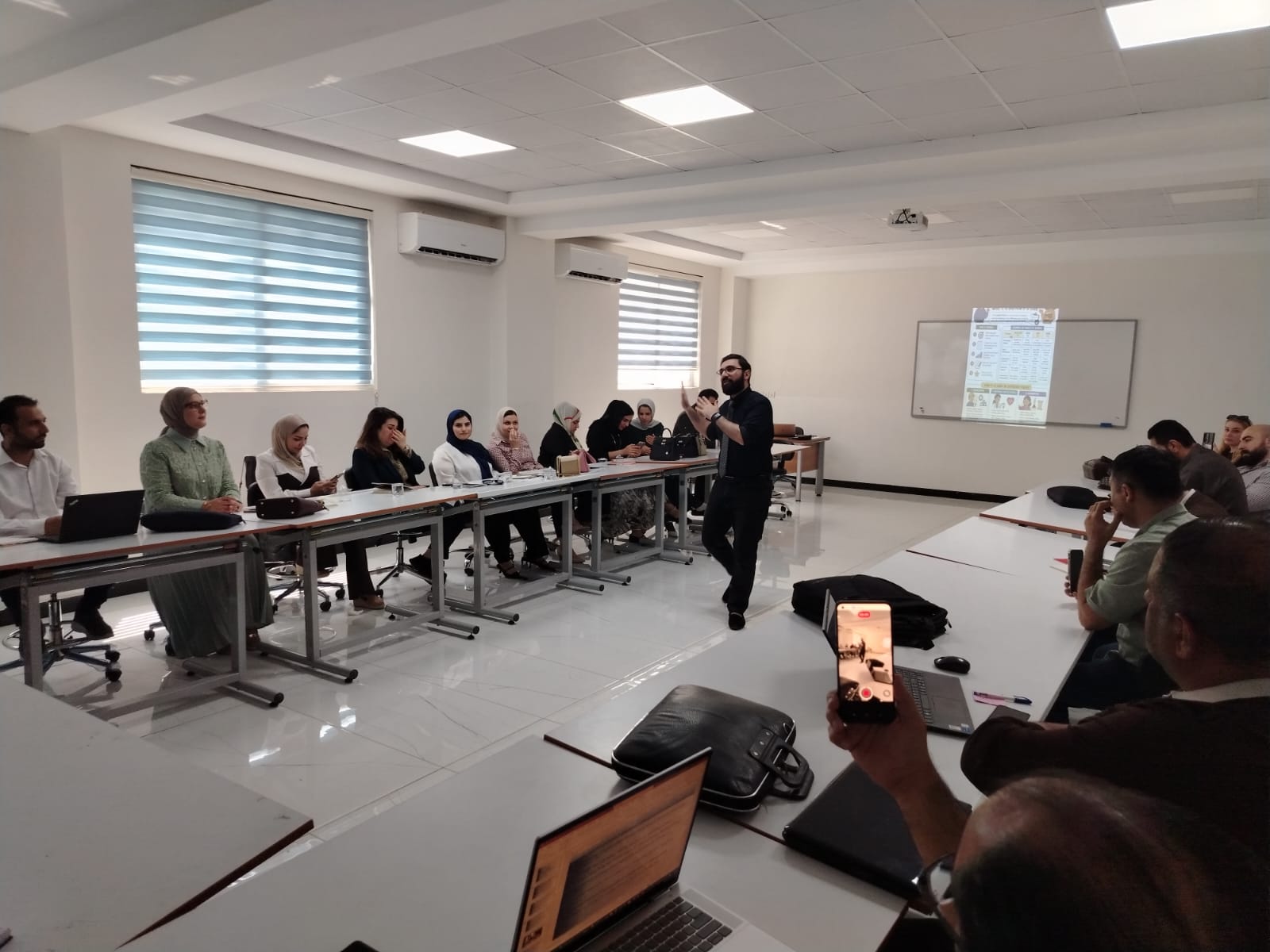
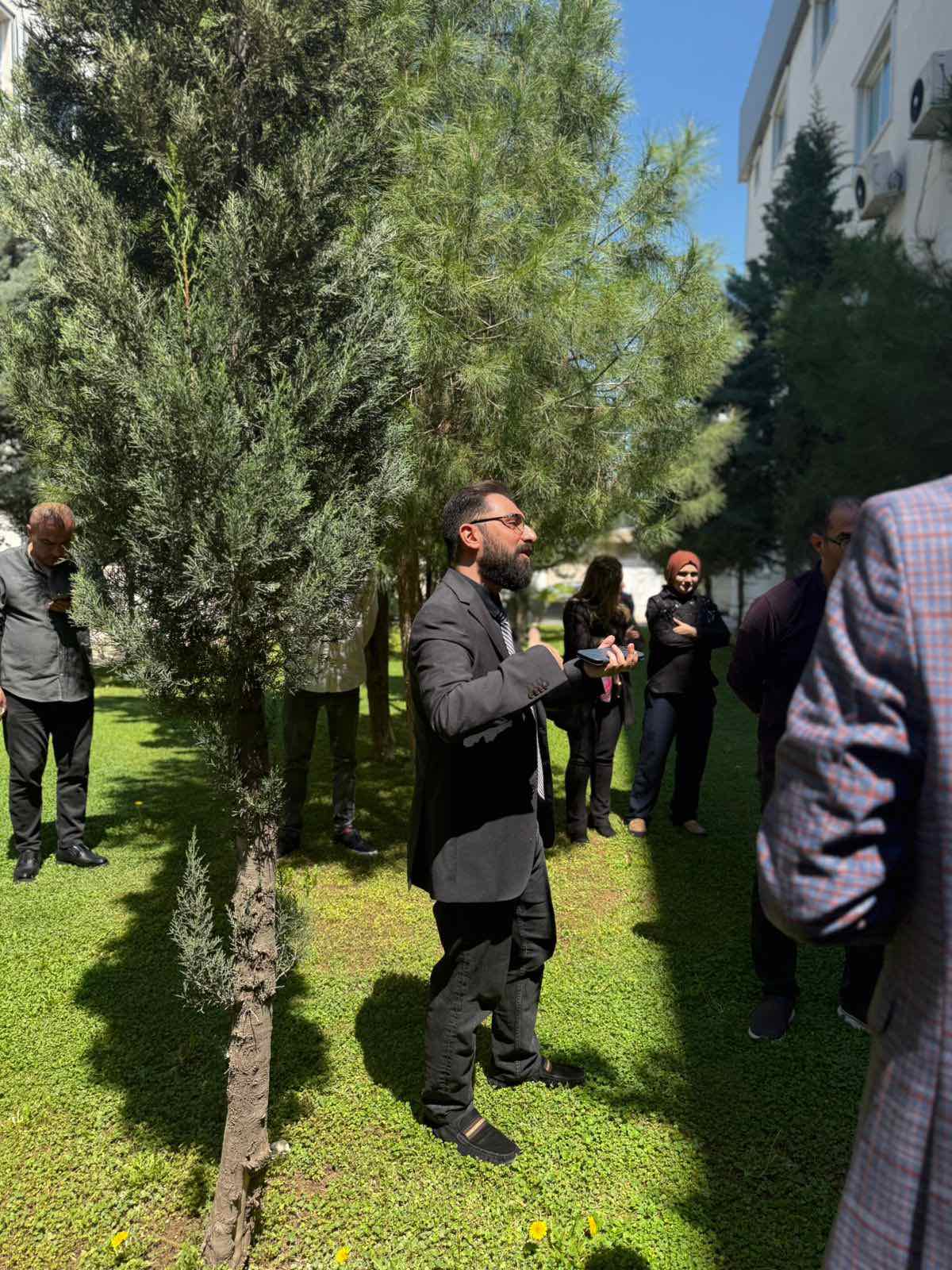
A look at OAMPHE classes, events, workshops, and academic activities.
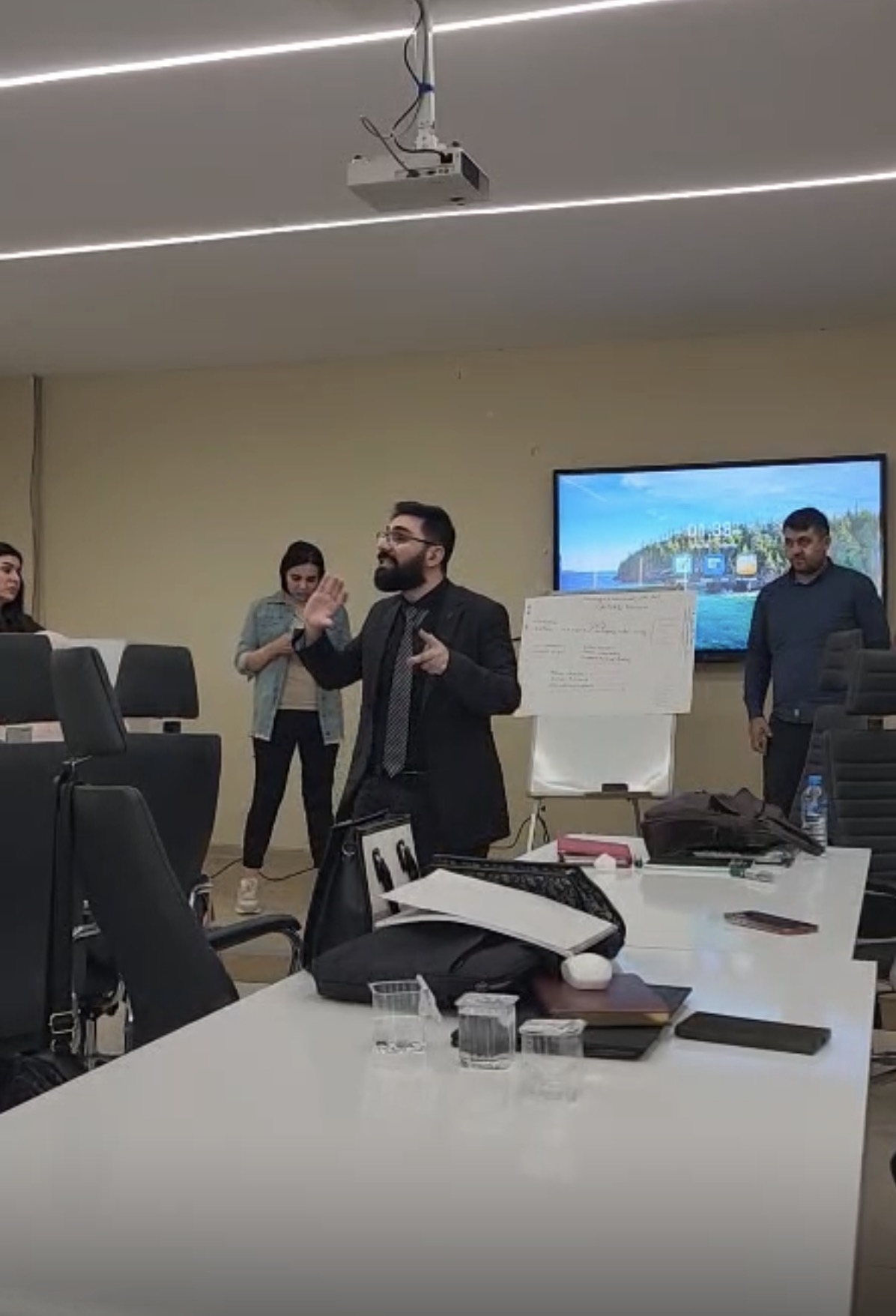
OAMPHE activity photo 1
OAMPHE activity photo 2
OAMPHE activity photo 3
OAMPHE activity photo 4
OAMPHE activity photo 5
OAMPHE activity photo 6
OAMPHE activity photo 7
OAMPHE activity photo 8
OAMPHE activity photo 9
OAMPHE activity photo 10
OAMPHE activity photo 11
OAMPHE activity photo 12
OAMPHE activity photo 13
OAMPHE activity photo 14
OAMPHE activity photo 15
OAMPHE activity photo 16
OAMPHE activity photo 17
OAMPHE activity photo 18
OAMPHE activity photo 19
Official reference

Programme Textbook

📘

Pedagogy and Modern Higher Education: Transforming Teaching, Learning, Research, Innovation, and Quality Assurance

Akram, O.K., Franco, D.J., Akram, H.K., Abdulkarim, D.A., Lee, A.A., & Parker, H.M.

This textbook serves as the primary academic reference and learning resource for all six modules of the Professional Course in Modern Pedagogy and Higher Education (30 ECTS). It provides the theoretical and practical foundation underpinning every aspect of the programme.

Ready to join the next OAMPHE cohort?

Get in touch